



Depression
Anxiety
OCD
PTSD
Successful Treatments
Patient Satisfaction Rate
Years of Medical Experience
Treatment Success Rate
RESPONSE RATES
Depression
Anxiety
OCD
PTSD
Successful Treatments
Patient Satisfaction Rate
Years of Medical Experience
Treatment Success Rate
RESPONSE RATES


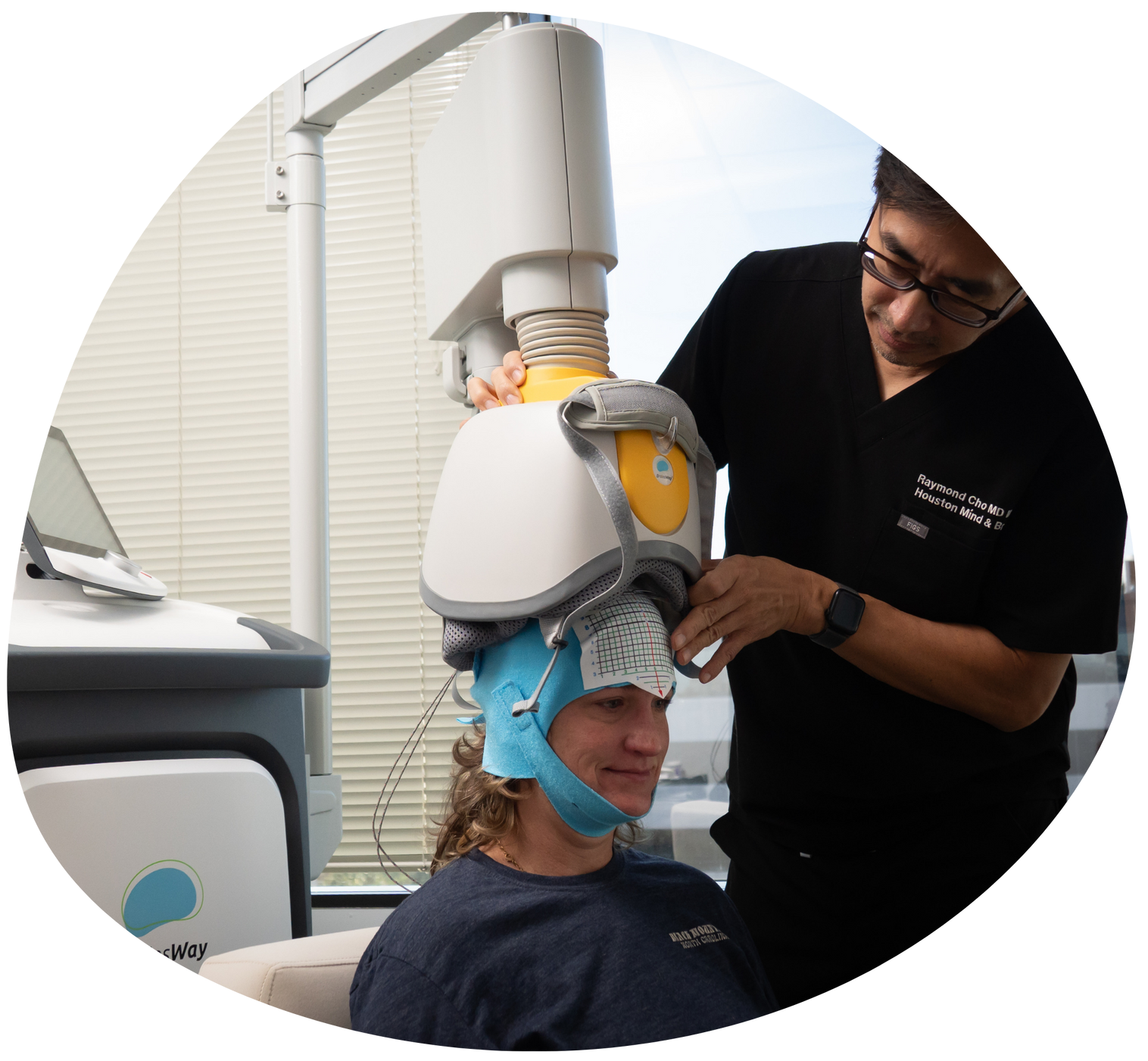
For some people, waiting weeks for treatment isn’t realistic. Accelerated Transcranial Magnetic Stimulation (TMS) offers a way to receive TMS therapy on a condensed schedule, without medication, anesthesia, or downtime. At Houston Mind & Brain, accelerated TMS is delivered with the same clinical rigor, physician oversight, and patient-first philosophy that guides all of our care, backed by Dr Cho’s experience of 30 years in academic research and clinical care.
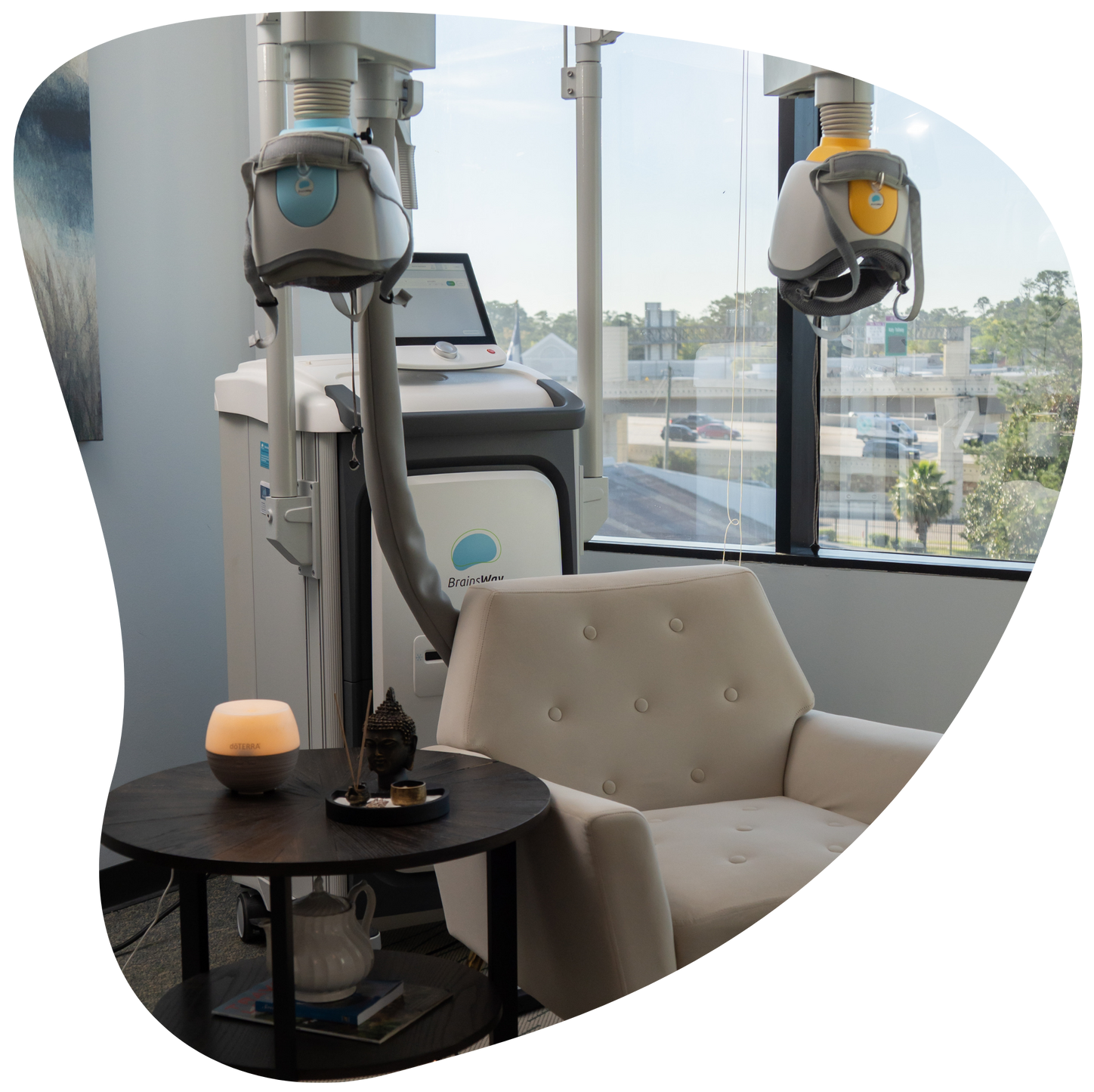
No Anesthesia
No Sedation
What Is Accelerated TMS?
Accelerated TMS delivers the same non-invasive magnetic stimulation used in standard TMS, but within a compressed, structured treatment schedule. Rather than one session per day over 6–8 weeks, accelerated protocols deliver multiple sessions per day over a shorter time frame—most commonly over several days, or in select cases, within a single day.
Sessions are brief and repeated at defined intervals, with rest periods between treatments. This approach is based on research suggesting that repeated, closely spaced stimulation may enhance neuroplastic effects, allowing treatment to be delivered more efficiently while maintaining the established safety profile of TMS.
No recovery time
Drive yourself home after sessions
Have depression or OCD that hasn’t improved with medication or therapy
Are seeking a more time-efficient treatment approach
Can’t commit to daily visits for several weeks
Prefer a non-drug treatment option
How Accelerated TMS Works
Evaluation
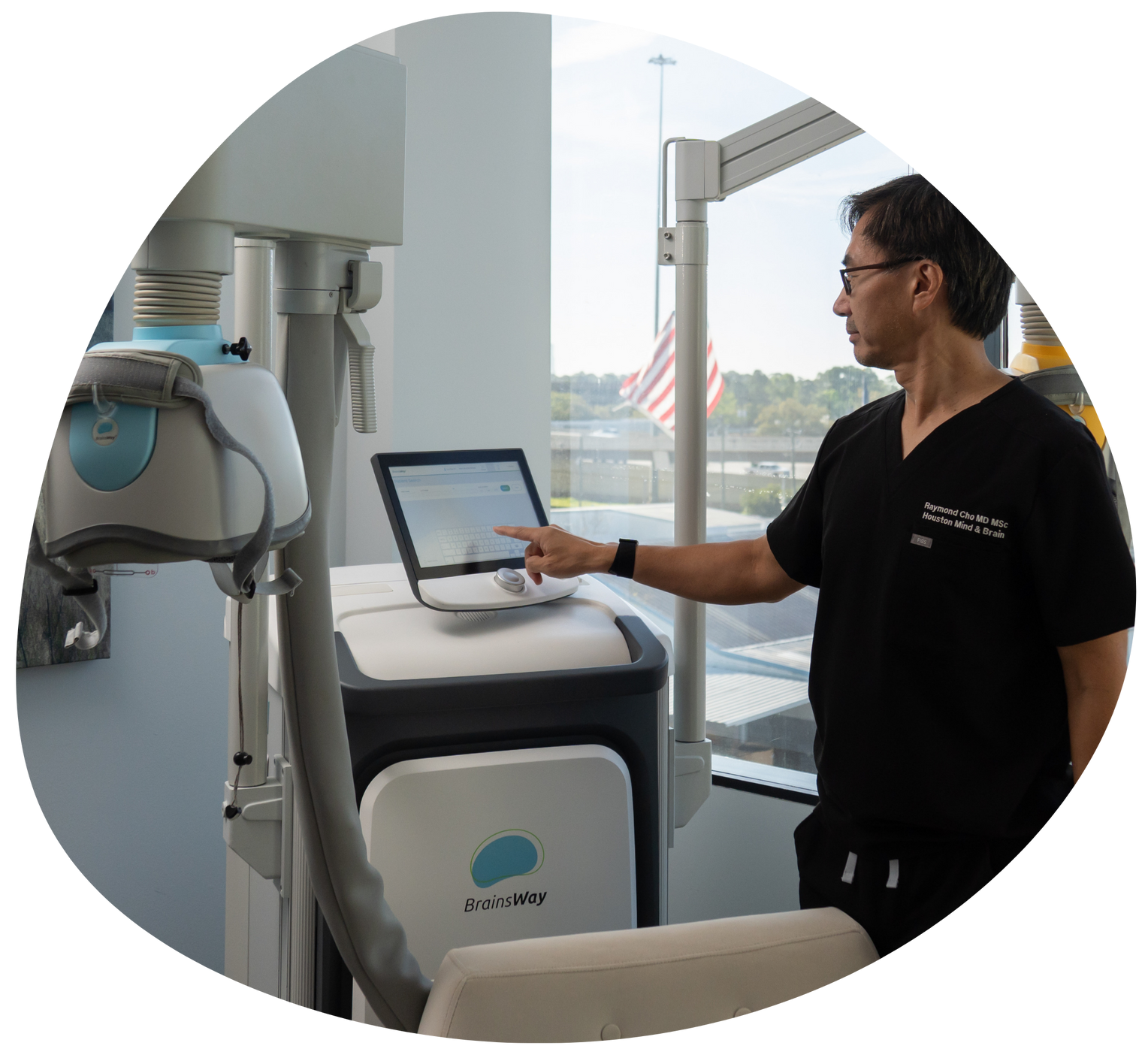
A psychiatric provider reviews your history, confirms safety, and determines whether accelerated TMS is the right treatment option for you.
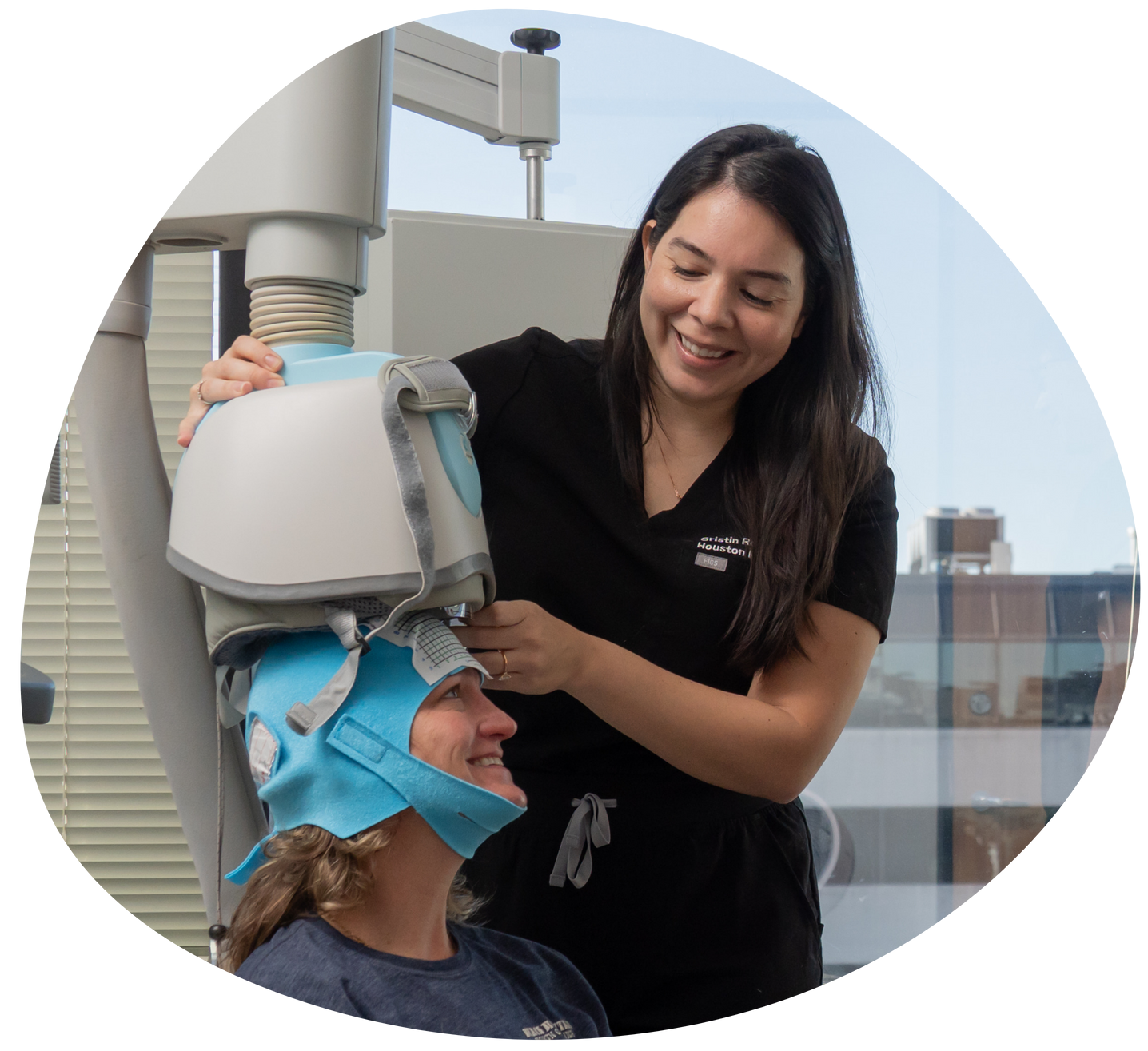
We determine your motor threshold and precise coil placement to individualize stimulation settings for both effectiveness and comfort.
Mapping & Setup
Treatment Sessions
SWIFT Accelerated Protocol (BrainsWay, FDA-approved)
5 sessions per day, each lasting approximately 10 minutes
Sessions spaced at least 50 minutes apart
Delivered over 6 treatment days (typically scheduled across ~2 weeks)
Followed by 4 weekly visits, with 2 treatments each visit
A full TMS course in just one day - 20 precisely timed sessions delivered over 9.5 hours instead of several weeks. May include adjunctive medications (e.g., Vyvanse, D-cycloserine) when appropriate
Throughout treatment, patients remain awake and comfortable and can drive themselves home after the visit
One-day TMS
FASTEST OPTION
What is the ONE-D one-day TMS protocol?
ONE-D — Optimized, Neuroplasticity-Enhanced Depression — condenses a full TMS course into a single treatment day. Intermittent theta-burst stimulation is FDA-cleared for depression, but this one-day regimen is an off-label use of it, and the medications given alongside it are prescribed off-label as well.
The regimen delivers twenty sessions of 600-pulse intermittent theta-burst stimulation to the left dorsolateral prefrontal cortex, one every thirty minutes across roughly 9.5 hours. Single doses of d-cycloserine and lisdexamfetamine — both used off-label for this purpose — are given an hour beforehand to support neuroplasticity.
Unlike SWIFT, response to one-day treatment is typically gradual rather than immediate. Improvement builds over the weeks that follow. In the published case series of 32 adults with unipolar depression, response and remission rates at week 6 were 87.5% and 71.2% on the HDRS-17. At week 26, half the patients showed sustained remission, while roughly a quarter had relapsed or required retreatment. The regimen was described as feasible, safe, and well tolerated.
That study was a retrospective, open-label case series without a control group, so the results may overstate what a randomized trial would show. We review the evidence, the off-label status, and what it means for your specific situation during evaluation.
SWIFT
ACCELERATED OPTION
What is the SWIFT protocol?
SWIFT is an accelerated TMS protocol from BrainsWay, FDA-cleared for major depressive disorder. Rather than a single daily session over six to eight weeks, SWIFT TMS delivers five sessions per day — each about ten minutes, spaced at least fifty minutes apart — across six treatment days, typically scheduled over roughly two weeks.
Treatment continues with four weekly visits of two sessions each. The stimulation itself is the same technology used in standard TMS; what changes is how closely the sessions are spaced, which research suggests may strengthen the neuroplastic response. In published data on SWIFT, the median time to response was approximately 14 days, with remission observed around 21 days (Hanlon et al., 2025).
Houston Mind & Brain offers the SWIFT protocol as a self-pay option at $9,800, and while accelerated protocols have historically not been covered, some carriers have recently begun covering SWIFT when medical criteria are met.
How Is This Different From Standard TMS?
Accelerated TMS uses the same core technology as standard TMS but delivers treatment in a compressed, structured schedule. For appropriately selected patients, this approach may provide a more time-efficient path to clinical response while maintaining the established safety profile of TMS.
| Standard TMS | SWIFT | One-day |
|---|---|---|
| 1 session / day | 5 sessions / day | 20 sessions in one day |
| 6–8 weeks | 6 days | 1 day |
| Insurance often covers | $9,800 | $4,500 |
Safety & Side Effects
Accelerated TMS is generally well tolerated and uses the same underlying technology as standard TMS, with a similar safety profile.
Temporary scalp sensitivity
Mild headache, usually early in treatment
These effects are usually short-lived and often improve as treatment continues or with minor adjustments to stimulation settings.
Because accelerated TMS involves multiple sessions in a single day, treatments are delivered in a structured, monitored clinical setting, with time between sessions to ensure comfort and safety.
Cost & Insurance
Accelerated TMS protocols are typically not covered by insurance.
Self-Pay Rates
SWIFT Accelerated Protocol: $9,800
One-D Accelerated Option: $4,500
Frequently Asked Questions
How is accelerated TMS different from standard TMS?
Standard TMS is delivered as one session per day over several weeks. Accelerated TMS uses the same underlying technology but delivers multiple sessions per day in a structured, closely spaced schedule over a shorter timeframe.
The key difference lies in how stimulation is scheduled, allowing for a more time-efficient treatment approach in appropriately selected patients.
How quickly will I feel results?
Clinical studies of accelerated TMS protocols suggest that some patients may begin to notice improvement within days to a few weeks, though response varies.
In published data on the BrainsWay SWIFT protocol, the median time to response was approximately 14 days, with remission observed by around 21 days. High overall response and remission rates have been reported in clinical studies (Hanlon et al., 2025).
For one-day accelerated protocols, early studies suggest that many patients experience symptom improvement within the first several weeks after treatment, with continued improvement over time and sustained benefits in follow-up periods, with reported response and remission rates of approximately 90% and 70% in early studies, though these findings are based on small cohorts and should be interpreted with caution (Vaughn et al., 2025).
It is important to note that individual response varies, and not all patients will experience rapid improvement.
Is accelerated TMS safe?
Accelerated TMS is generally well tolerated and has a safety profile similar to standard TMS. The most common side effects include mild scalp sensitivity or headache, typically early in treatment (Caulfield et al., 2022).
Because accelerated TMS involves multiple sessions in a single day, treatment is delivered in a structured, monitored clinical setting. Rare risks are reviewed in detail during your evaluation.
Can I work or drive during and after treatment?
Yes. There is no anesthesia or sedation, and most patients return to normal activities between or after sessions.
Is the 1-day option a full treatment?
For some patients, the one-day protocol may serve as a complete course of treatment. For others, it may function as an initial intensive intervention, with additional sessions recommended based on clinical response.
Treatment planning is individualized and discussed in detail during your consultation.
Can I stay on my current medications or therapy?
In most cases, yes. Patients typically continue their current medications and therapy during treatment.
Your provider will review your medications and overall treatment plan and may recommend adjustments when appropriate to optimize efficacy and ensure safety.
Is accelerated TMS covered by insurance?
Accelerated protocols are generally not covered by insurance; however, some carriers have recently begun covering certain accelerated treatments, such as SWIFT, when medical criteria are met. Standard TMS is more commonly covered. We’re happy to explore both options with you and verify your specific benefits.
I have greatly benefited from the services of Houston Mind & Brain. I would encourage anyone seeking neurological or psychiatric treatment to visit them. I have particularly benefited most from their TMS treatment. It has changed my life for the better in so many ways. They have knowledgeable and friendly staff and providers who really do care about your health and because they are a smaller office you really do get that personal connection with the providers and staff. Highly recommend!
Jessie
Comprehensive Psychiatric Care
Related Services
We Accept Insurance and Make Care Affordable



We accept most major plans for FDA-cleared treatments (including standard TMS and Spravato). We verify benefits, manage prior authorization, and provide a written estimate before treatment so there are no surprises.
Do you accept Medicaid?
No - we accept Medicare but do not accept Medicaid. If you have questions about coverage, call our team and we’ll help.
Will my insurance cover TMS?
Many commercial plans cover standard TMS when medical-necessity criteria are met. Accelerated/fast-track TMS is often self-pay. We verify benefits and submit prior authorization on your behalf.
What if I’m out of network?
This is uncommon because we are credentialed with most plans. If needed, we can provide a superbill for out-of-network reimbursement.
How do I get a written estimate?
Request a free 20-minute expert call. We’ll run a benefits check, explain likely coverage, and send a written estimate of patient responsibility before any treatment.
Can I get sliding scale pricing for TMS?
Yes. We offer sliding scale pricing for eligible patients and can provide a written cost estimate before treatment. To be considered, we’ll ask for proof of income, such as tax documents.
At this time, sliding scale pricing is not available for Medicare patients or for accelerated TMS protocols.
Integrated Care That Delivers Results
Research-informed care that integrates medication management, psychotherapy, TMS, and Spravato/ketamine into a coordinated treatment plan. Treatments are thoughtfully sequenced and monitored within a structured clinical model to support safety, consistency, and meaningful outcomes.
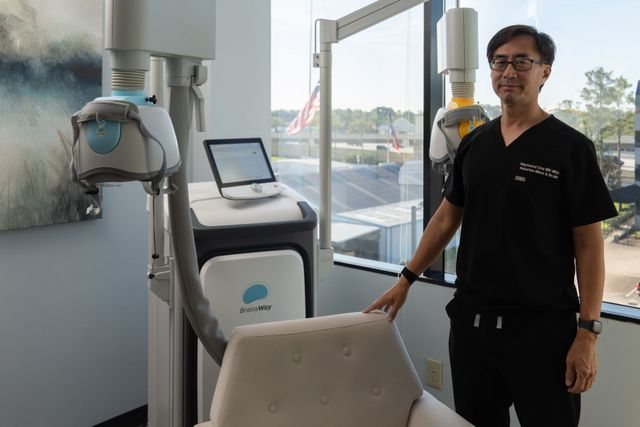
Why Choose Houston Mind & Brain?
MD-led, research-informed brain health - advanced treatments, personalized plans, and practical insurance support.

Insurance Help & Clear Pricing

30+ Years MD Led Psychiatry

Accelerated TMS & Fast Track Paths

Clinical Research & Outcomes Tracking

Integrated Treatment Options
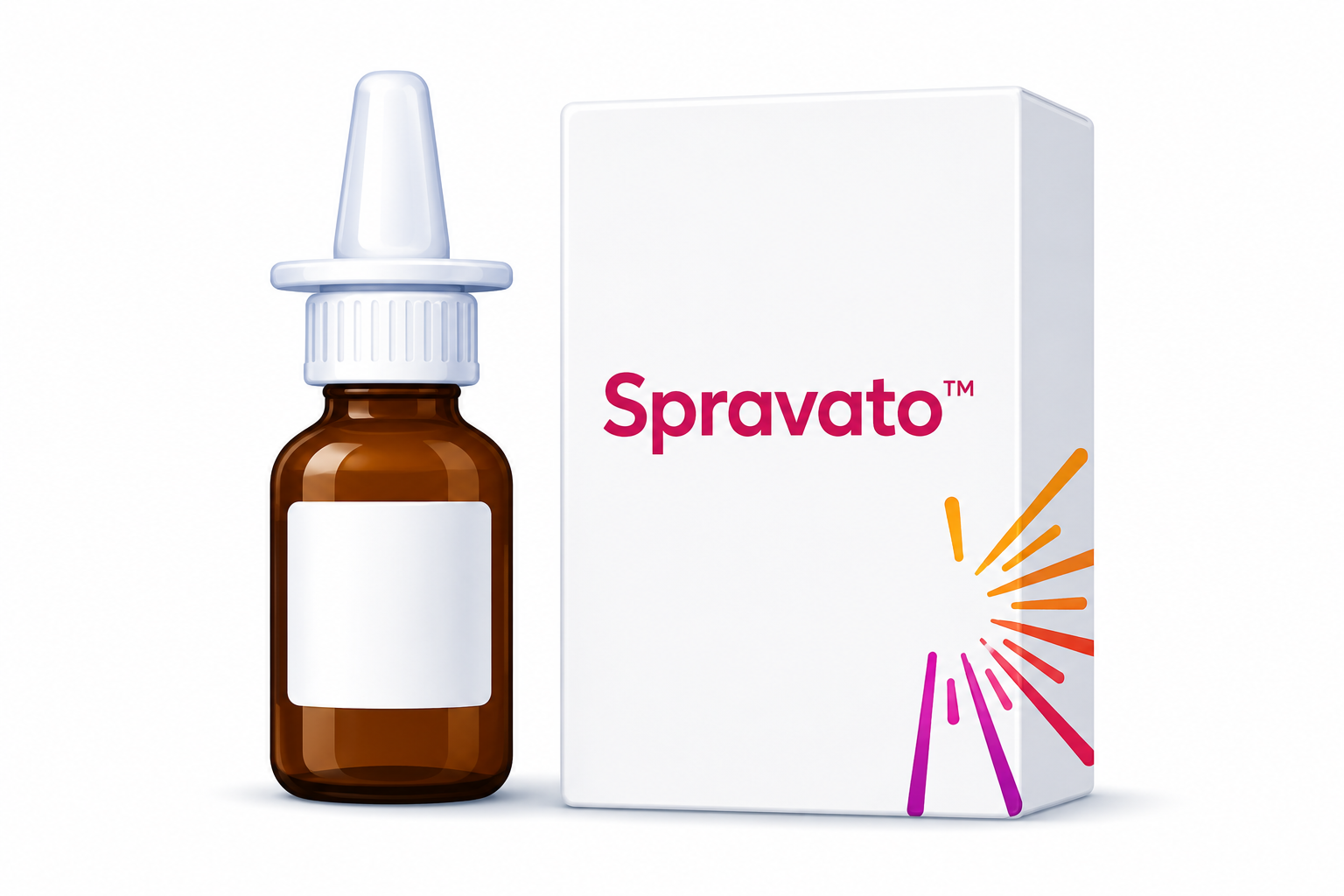
Spravato, Ketamine & KAP Programs
Hear From Our Patients
100+ Five Star Reviews. Real Stories. Real Recovery.
Free 20 Minutes
Speak to a Specialist
Call us at (832) 699-7922 or complete the form below.
Contact Us
We will get back to you as soon as possible.
Please try again later.
What Happens After I Request My 20-min Call?
We’ll reply within one business day.
A clinician or senior team member will call to discuss next steps (your free 20-minute call).
We’ll verify insurance, send a written cost estimate, and help schedule an evaluation.