



How TMS Works

Transcranial Magnetic Stimulation (TMS) is a safe, FDA-cleared, non-drug treatment that uses focused magnetic pulses to stimulate brain circuits involved in mood and cognition. At Houston Mind & Brain, TMS is delivered using research-informed protocols, with comprehensive evaluations and a coordinated, team-based approach. Care is provided within a structured model with clinical oversight and ongoing case review, with providers trained and supervised by Dr. Cho.
Dr. Cho Explains TMS
No Anesthesia or Sedation
FDA-Cleared
No Systemic Medication Effects

What Is TMS Therapy?
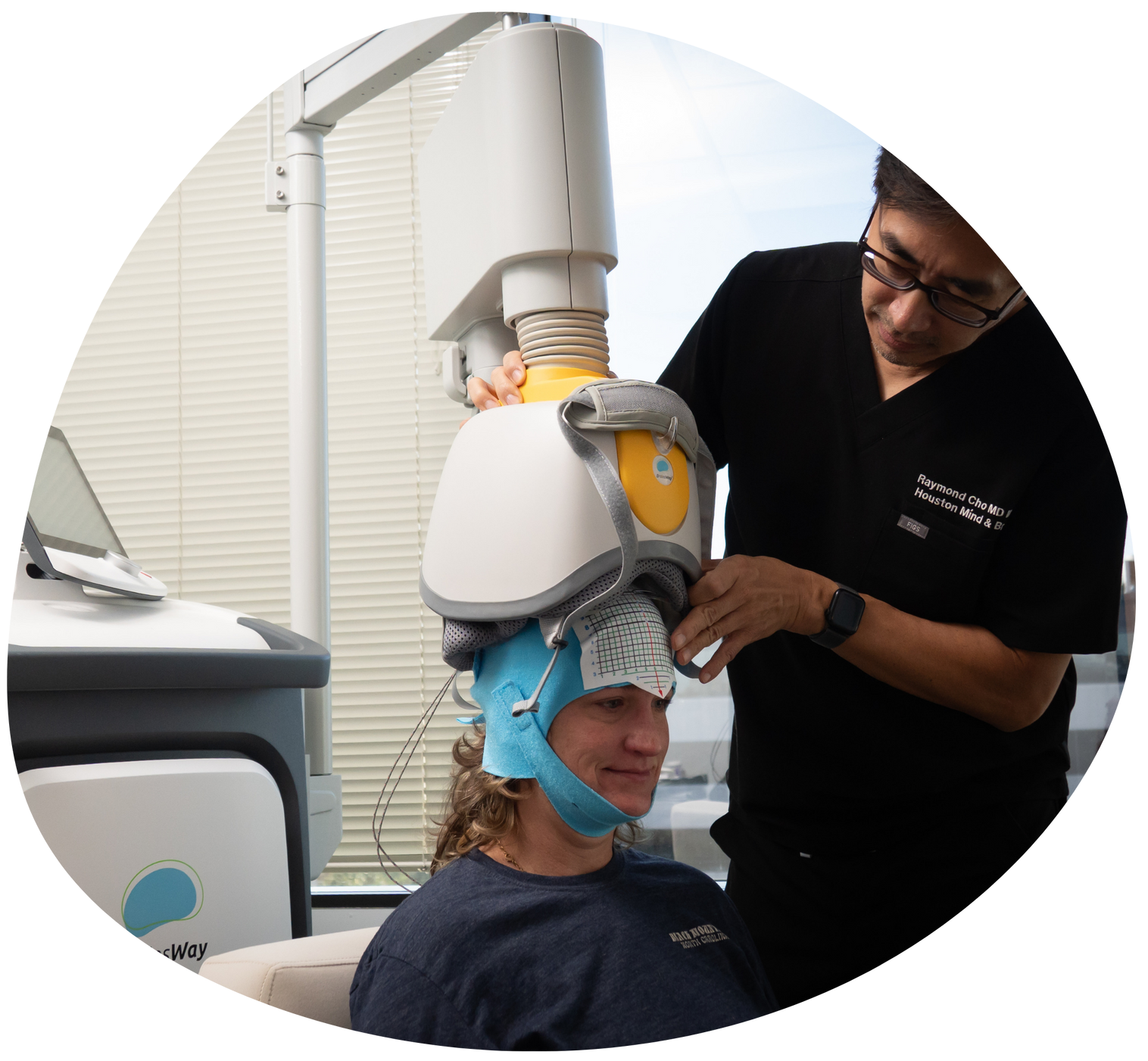
TMS uses FDA-cleared technology to deliver focused electromagnetic pulses through a coil placed on the scalp, targeting brain networks involved in mood and cognitive function.
By delivering stimulation to specific brain regions, TMS can modulate neural activity in circuits associated with depression and related conditions. Because the treatment is targeted, it does not require anesthesia or sedation and does not involve systemic medication effects. Most patients are able to return to normal activities immediately after each session.
You Remain Awake and Alert
You Can Drive Yourself Home After Sessions
Who Can TMS Help?
Have depression that has not responded adequately to antidepressants or psychotherapy.
Have OCD that continues to cause significant impairment despite standard treatments, including medication and therapy.
Prefer a non-medication option because of side effects or limited benefit from medications.
Standard TMS
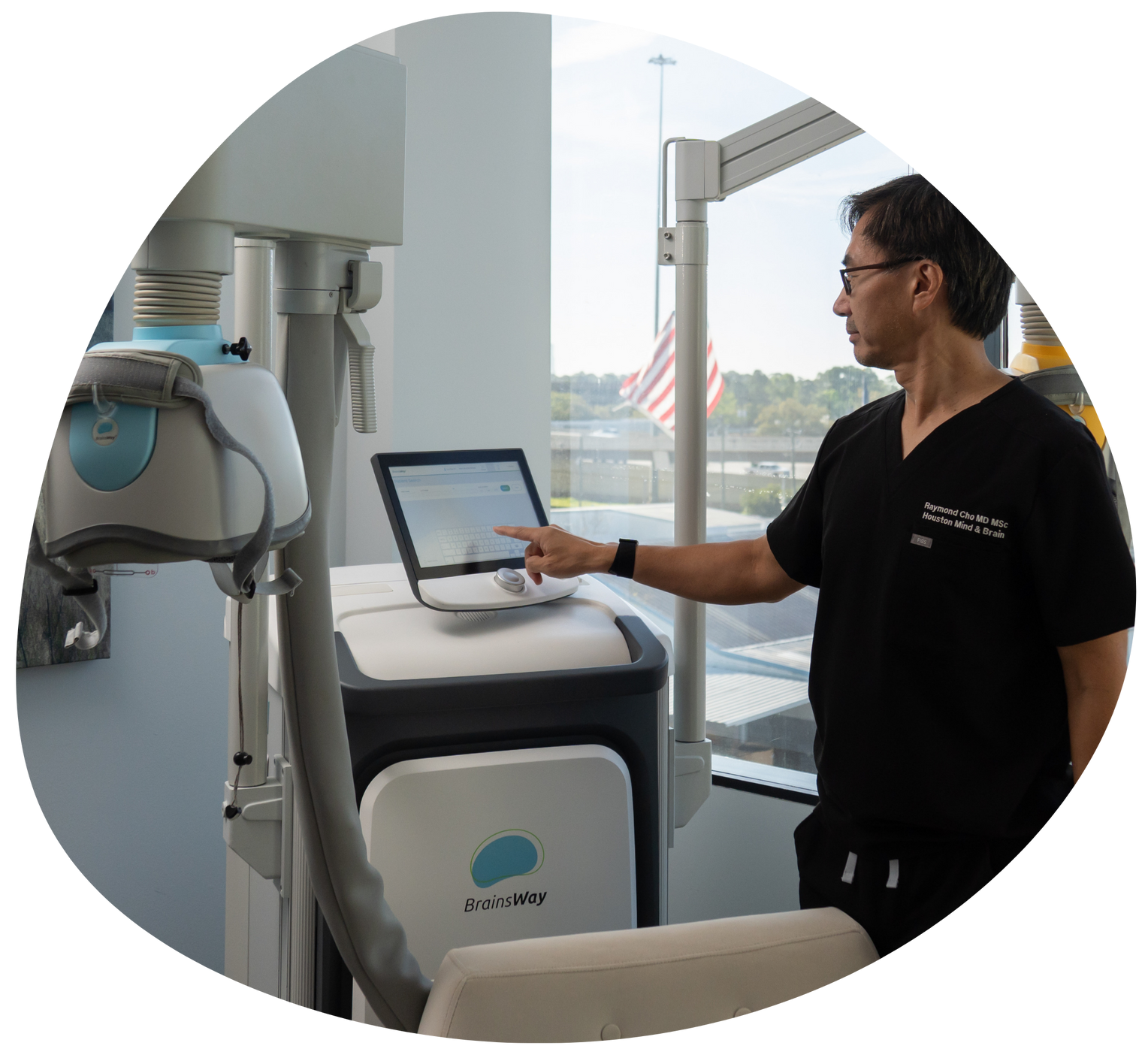
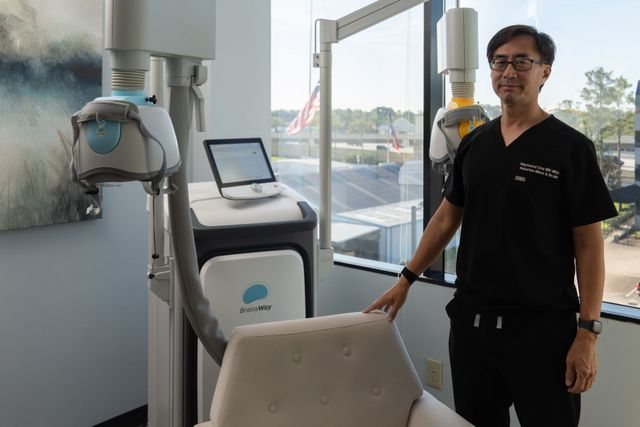
A typical course of standard TMS involves daily sessions (weekdays) over approximately 4–6 weeks. Sessions generally last about 20 minutes using the BrainsWay Deep TMS system.
Many patients begin to notice clinical improvement within 2–4 weeks, with continued progress over the course of treatment. Standard TMS is a well-established treatment and is often covered by insurance when medical necessity criteria are met.
Accelerated TMS
For patients seeking a more time-efficient treatment approach, Houston Mind & Brain offers Accelerated TMS—a structured schedule that delivers treatment over a shorter timeframe than standard TMS. Protocols typically involve multiple sessions per day over several treatment days, or in select cases, a single-day intensive protocol.
Accelerated TMS is delivered using the same BrainsWay Deep TMS system and within a structured, team-based model with clinical oversight and ongoing case review.
Accelerated protocols are often self-pay, as insurance coverage is variable. We review options and expected costs in advance.
Why Houston Mind & Brain?
Houston Mind & Brain’s TMS program is built around clinical rigor, structured protocols, and a highly trained clinical team, delivered within a coordinated, team-based model of care.
Founded by Dr. Raymond Cho
A psychiatrist with over 30 years of clinical and research experience in neurostimulation. Dr. Cho helped establish major TMS programs in Houston and has a federal research funding background.
Highly Trained TMS Team
All TMS treatments are delivered by BrainsWay-certified staff who complete extensive in-house training, including hundreds of hours of supervised observation and hands-on experience.
Our entire team maintains Basic Life Support (BLS) certification, reflecting a strong emphasis on patient safety across the practice.
This training ensures TMS is delivered consistently, precisely, and with a strong emphasis on patient safety.
MD oversight & Weekly Case Review
TMS cases are reviewed regularly by the clinical team (including Dr. Cho) to ensure optimal care.
Extended Consults & Personalized Planning.
We dedicate a full hour to initial evaluations, giving us the time to understand your symptoms, history, and goals in detail—and to develop a structured, evidence-based plan tailored to you.
Specialized OCD TMS Protocols
TMS for OCD is delivered using targeted protocols that incorporate symptom provocation, a key component of effective treatment.
Our team is trained in designing and implementing individualized provocation exercises to engage relevant symptom networks during stimulation.
Safety & Side Effects
TMS is generally well tolerated. The most common side effects are mild scalp discomfort and temporary headaches, which typically diminish with adjustments or over time. Serious adverse events are rare. As with any neuromodulation treatment, the clinical team screens for safety (including any implanted metal or medical device) and monitors patients closely during therapy. If you have specific medical devices or concerns, we review them in your evaluation.
What to Expect During TMS Treatment
Your evaluation includes a detailed review of symptoms, prior treatments, and goals to determine whether TMS is appropriate.
Comprehensive Consultation
We identify the precise location and stimulation intensity needed for your brain - allowing treatment to be optimally effective, personalized, and comfortable.
Brain Mapping & Motor Threshold
Treatment Sessions
Sessions last ~3 - 20 minutes (depending on protocol)
Scheduled on weekdays over several weeks
Many patients begin noticing changes within 2–4 weeks, with benefits building over time
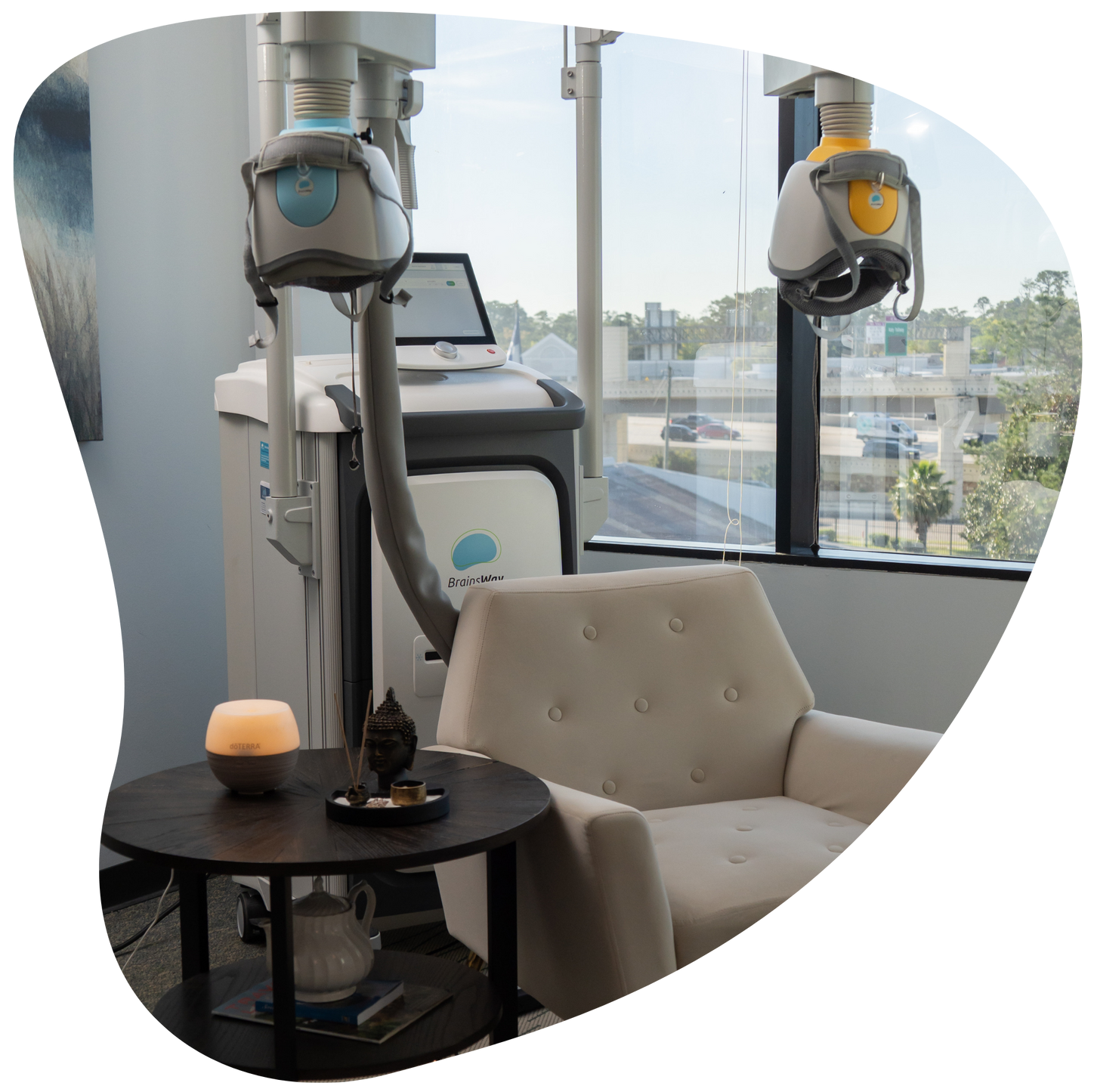
You can relax, read, or watch TV during treatment for depression
For OCD, treatments are enhanced by mild symptom provocation
We also offer Accelerated TMS for patients seeking a condensed treatment schedule.
Some patients benefit from taper or maintenance sessions. This is planned collaboratively based on response and symptom patterns.
Follow-Up & Maintenance
Cost & Insurance
Standard TMS is often covered by major insurance plans when clinical criteria are met. Houston Mind & Brain verifies benefits and provides a clear explanation of expected copays or coinsurance before treatment begins.
Coverage varies by plan, and we will review your specific benefits and options with you in advance.
Self-Pay Rates
For patients who self-pay, Houston Mind & Brain offers transparent pricing.
A typical course of TMS (36 sessions) is:
$10,900 for Standard TMS
$7,300 for TBS (3-minute protocol)
Pricing may vary depending on the protocol and individual treatment plan. We review all costs in detail during your consultation so you know exactly what to expect before starting treatment.
Frequently Asked Questions
Is TMS the same as ECT?
No. TMS does not involve anesthesia, electrical current, or memory loss.
Will I be able to drive after a session?
Yes. TMS is a non-sedating treatment, and patients remain awake and alert during sessions. You are able to drive yourself to and from treatment.
How long before I see results?
Some patients begin to notice improvement within 2–4 weeks, with benefits typically building over the course of treatment. Accelerated protocols are designed to deliver treatment over a shorter timeframe and may lead to earlier improvement for some patients.
Clinical response is monitored throughout treatment, with adjustments made as needed to optimize outcomes.
Can I have TMS with my other treatments?
Yes. TMS can be combined with medication management, psychotherapy, and even ketamine therapy, and it is often part of an integrated treatment plan. Houston Mind & Brain coordinates care across treatments for safety and maximum clinical benefit.

Learn More. Feel Better.
Is TMS Right For Me
Learn whether TMS could be the right treatment for your depression or OCD, and what to expect
Compare Treatments
Learn how TMS, accelerated TMS, Spravato, ketamine, medication, and psychotherapy differ
How Spravato Works
Learn how FDA-approved esketamine works in the brain, what supervised treatment looks like at our clinic.
We Accept Insurance and Make Care Affordable



We accept most major plans for FDA-cleared treatments (including standard TMS and Spravato). We verify benefits, manage prior authorization, and provide a written estimate before treatment so there are no surprises.
Do you accept Medicaid?
No - we accept Medicare but do not accept Medicaid. If you have questions about coverage, call our team and we’ll help.
Will my insurance cover TMS?
Many commercial plans cover standard TMS when medical-necessity criteria are met. Accelerated/fast-track TMS is often self-pay. We verify benefits and submit prior authorization on your behalf.
What if I’m out of network?
This is uncommon because we are credentialed with most plans. If needed, we can provide a superbill for out-of-network reimbursement.
How do I get a written estimate?
Request a free 20-minute expert call. We’ll run a benefits check, explain likely coverage, and send a written estimate of patient responsibility before any treatment.
Can I get sliding scale pricing for TMS?
Yes. We offer sliding scale pricing for eligible patients and can provide a written cost estimate before treatment. To be considered, we’ll ask for proof of income, such as tax documents.
At this time, sliding scale pricing is not available for Medicare patients or for accelerated TMS protocols.
Integrated Care That Delivers Results
Research-informed care that integrates medication management, psychotherapy, TMS, and Spravato/ketamine into a coordinated treatment plan. Treatments are thoughtfully sequenced and monitored within a structured clinical model to support safety, consistency, and meaningful outcomes.
Why Choose Houston Mind & Brain?
MD-led, research-informed brain health - advanced treatments, personalized plans, and practical insurance support.

Insurance Help & Clear Pricing

30+ Years MD Led Psychiatry

Accelerated TMS & Fast Track Paths

Clinical Research & Outcomes Tracking

Integrated Treatment Options
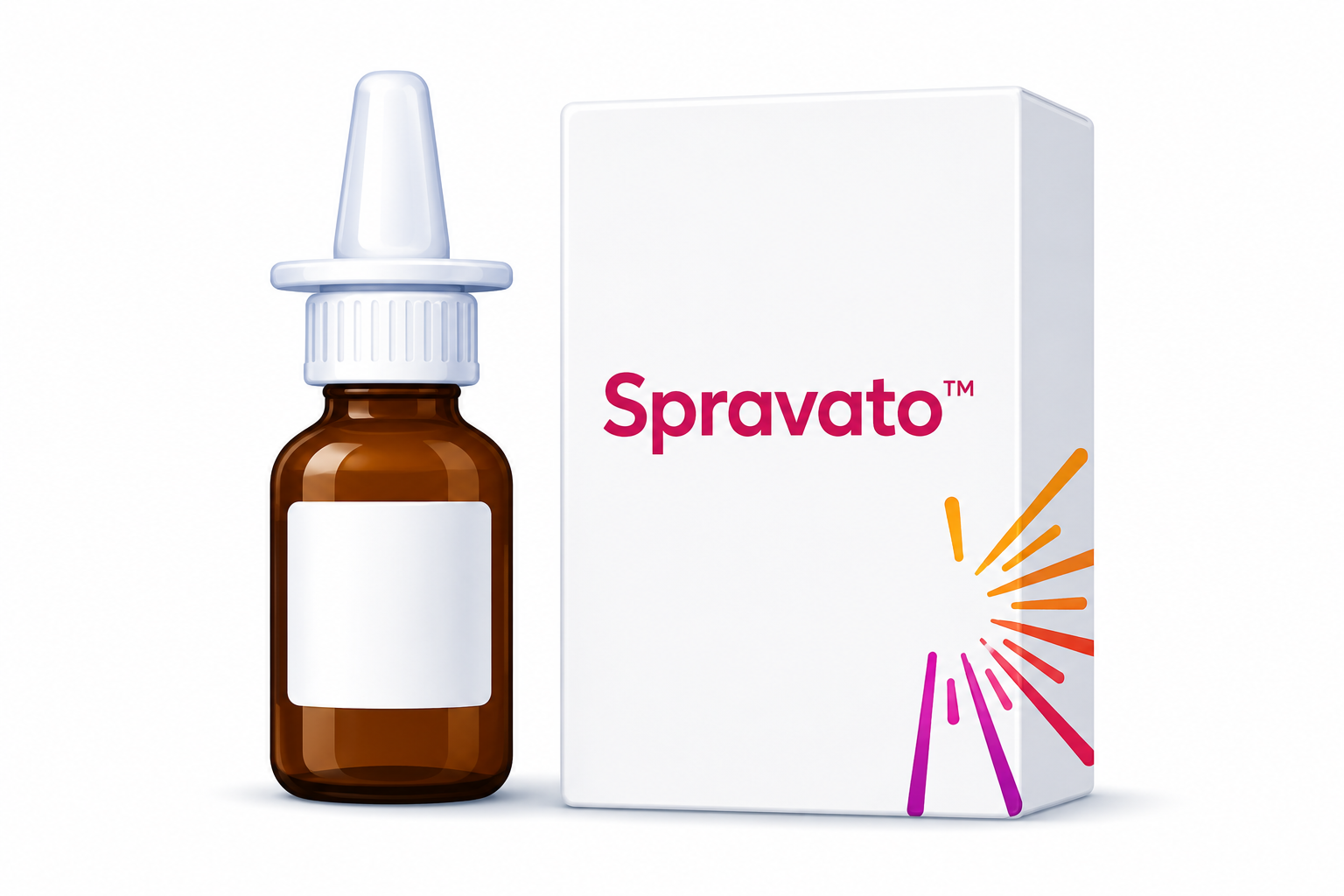
Spravato, Ketamine & KAP Programs
Hear From Our Patients
100+ Five Star Reviews. Real Stories. Real Recovery.
Free 20 Minutes
Speak to a Specialist
Call us at (832) 699-7922 or complete the form below.
Contact Us
We will get back to you as soon as possible.
Please try again later.
What Happens After I Request My 20-min Call?
We’ll reply within one business day.
A clinician or senior team member will call to discuss next steps (your free 20-minute call).
We’ll verify insurance, send a written cost estimate, and help schedule an evaluation.