



Conditions We Treat
Jump to:

Depression
Depression can affect how you think, feel, and function day to day. We take a structured, deliberate approach — starting with a clear understanding of what's driving your symptoms, then building a plan that fits. We take a structured, deliberate approach—starting with a clear understanding of what's driving your symptoms, then building a treatment plan that fits. Care may include psychotherapy, medication, or other evidence-based options, with adjustments over time based on how you're actually responding. Learn more about depression treatment in Houston →
Anxiety
Anxiety often shows up as a system that won't slow down—persistent worry, physical tension, or feeling constantly on edge. Houston Mind & Brain offers evidence-based anxiety treatment, and our approach focuses on helping you understand and interrupt the patterns driving that cycle, while building practical ways to regain a sense of control. Care may include psychotherapy, medication, or other evidence-based approaches, with adjustments over time based on how you're actually responding. Learn more about anxiety treatment in Houston →
OCD
OCD is driven by intrusive thoughts and repetitive behaviors that can become difficult to interrupt, even when they don't make logical sense. At Houston Mind & Brain, our approach focuses on helping you understand and work through these patterns using structured, evidence-based therapy.
For patients who have not responded to standard treatment, we offer Deep TMS using OCD-specific protocols—an approach that is not widely available and requires specialized training and protocols to deliver effectively.
Care may include psychotherapy, medication, or other evidence-based options, with adjustments over time based on how you're responding. Learn more about OCD treatment in Houston →
Bipolar Disorder
Bipolar disorder involves shifts in mood, energy, and activity levels that can disrupt stability and daily functioning. Our Houston-based team focuses on maintaining consistency—stabilizing mood, reducing relapse risk, and supporting long-term functioning.
Care is structured and individualized, and may include medication, psychotherapy, and other evidence-based approaches, with ongoing monitoring and adjustments based on how you're responding.
PTSD
PTSD can involve intrusive memories, heightened reactivity, or a sense of being stuck in past experiences. Our Houston team focuses on helping you safely work through these patterns while reducing their impact on your day-to-day life.
Care may include psychotherapy, medication, or other evidence-based approaches, with adjustments over time based on how you're responding.
ADHD
ADHD can affect attention, organization, and follow-through in ways that impact work, school, and daily life. At Houston Mind & Brain, our approach starts with a structured evaluation, including objective cognitive testing (such as QBCheck or Creyos) to help clarify patterns of attention and guide diagnosis.
These tools may also be repeated over time to assess how well treatment is working.
Care may include medication, psychotherapy, or skill-building approaches, with coordination across these areas and adjustments based on your response. Learn more about ADHD treatment in Houston →
Mood & Anxiety Related Disorders
We diagnose by measuring symptoms and functioning, then match interventions - medication, psychotherapy, neuromodulation, or a combination - to the individual’s goals. Outcome tracking guides ongoing adjustments to care.
Traumatic Brain Injury & Concussion
Houston Mind & Brain treats TBI-related psychiatric and cognitive symptoms with an integrated model. We use neuropsychiatric evaluation and cognitive testing to define deficits, and we apply tailored interventions — cognitive rehabilitation, psychotherapy, medication management, and TMS where appropriate. Our clinicians have experience using specialized TMS protocols to target TBI-related mood and cognitive symptoms, always within a safety-first framework.
We Accept Insurance and Make Care Affordable






We accept most major plans for FDA-cleared treatments (including standard TMS and Spravato). We verify benefits, manage prior authorization, and provide a written estimate before treatment so there are no surprises.
Do you accept Medicaid?
No - we accept Medicare but do not accept Medicaid. If you have questions about coverage, call our team and we’ll help.
Will my insurance cover TMS?
Many commercial plans cover standard TMS when medical-necessity criteria are met. Accelerated/fast-track TMS is often self-pay. We verify benefits and submit prior authorization on your behalf.
What if I’m out of network?
This is uncommon because we are credentialed with most plans. If needed, we can provide a superbill for out-of-network reimbursement.
How do I get a written estimate?
Request a free 20-minute expert call. We’ll run a benefits check, explain likely coverage, and send a written estimate of patient responsibility before any treatment.
Can I get sliding scale pricing for TMS?
Yes. We offer sliding scale pricing for eligible patients and can provide a written cost estimate before treatment. To be considered, we’ll ask for proof of income, such as tax documents.
At this time, sliding scale pricing is not available for Medicare patients or for accelerated TMS protocols.

Integrated Care That Delivers Results
Research-informed care that integrates medication management, psychotherapy, TMS, and Spravato/ketamine into a coordinated treatment plan. Treatments are thoughtfully sequenced and monitored within a structured clinical model to support safety, consistency, and meaningful outcomes.
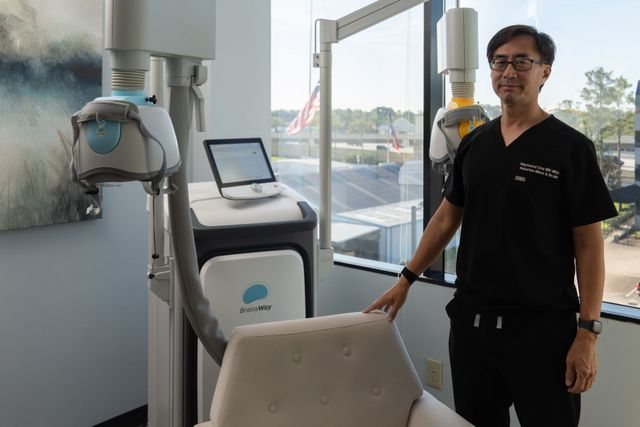
Why Choose Houston Mind & Brain?
MD-led, research-informed brain health - advanced treatments, personalized plans, and practical insurance support.

Insurance Help & Clear Pricing

30+ Years MD Led Psychiatry

Accelerated TMS & Fast Track Paths

Clinical Research & Outcomes Tracking

Integrated Treatment Options
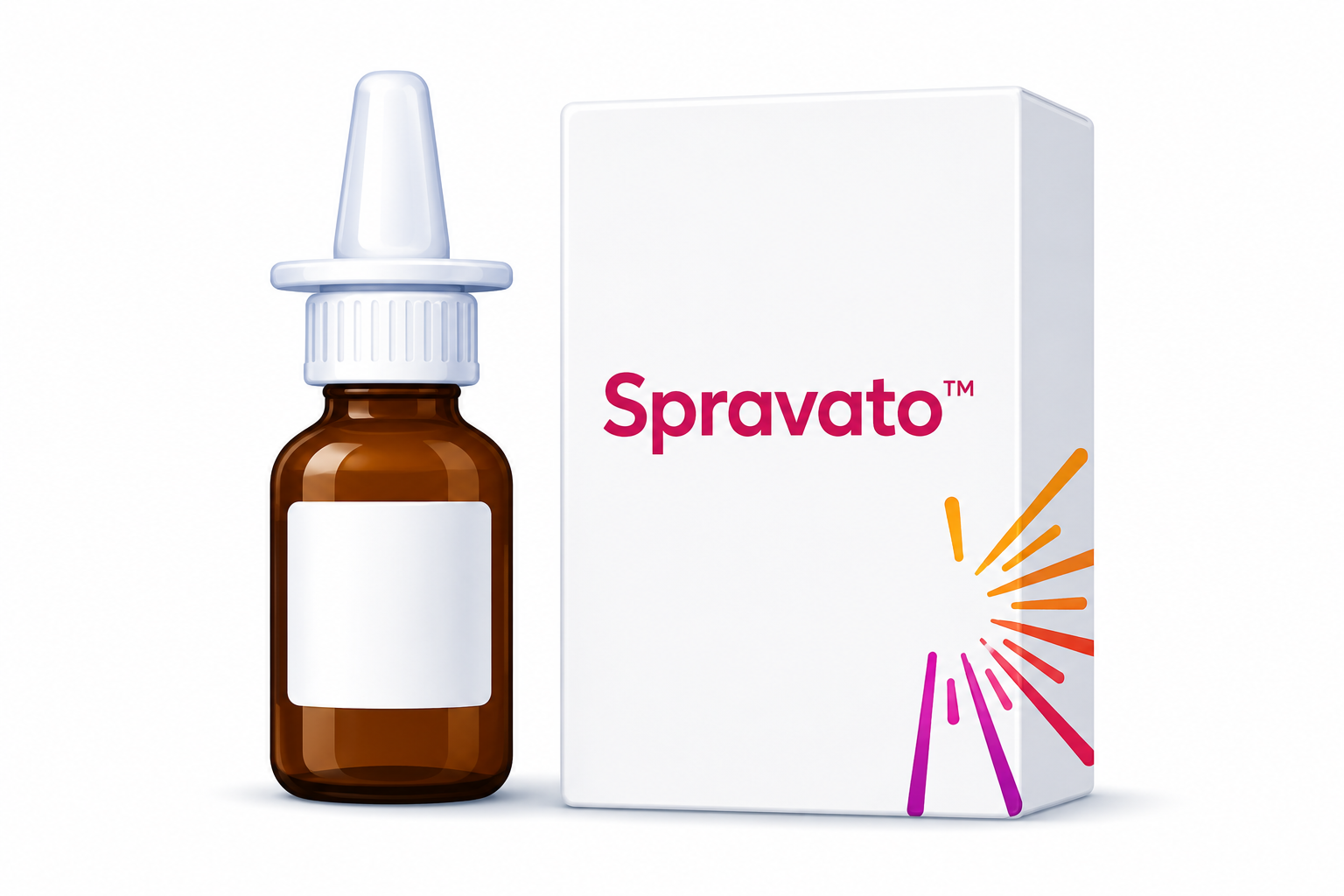
Spravato, Ketamine & KAP Programs
Hear From Our Patients
100+ Five Star Reviews. Real Stories. Real Recovery.
Free 20 Minutes
Speak to a Specialist
Call us at (832) 699-7922 or complete the form below.
Contact Us
We will get back to you as soon as possible.
Please try again later.
What Happens After I Request My 20-min Call?
We’ll reply within one business day.
A clinician or senior team member will call to discuss next steps (your free 20-minute call).
We’ll verify insurance, send a written cost estimate, and help schedule an evaluation.