



Anxiety Treatment
in Houston, TX
Anxiety isn't just feeling stressed or worried sometimes — for many people, it's a persistent, physical experience that interferes with work, relationships, and daily life. Houston Mind & Brain is a physician-led psychiatric practice on Katy Freeway. We treat anxiety across its full range of severity, from first-time evaluations to patients who've tried several approaches without getting where they wanted to be.

We Verify Benefits & Send a Written Estimate
30+ Years of Clinical Leadership
TMS, Ketamine & Therapy, Coordinated Into One Plan
Proven Protocols, Tracked Outcomes

Signs Anxiety May Be More Than Everyday Stress
Persistent worry that's hard to control, even when things are going okay
Racing heart, tight chest, or other physical symptoms with no clear medical cause
Avoiding situations, people, or places out of fear or dread
Trouble sleeping or concentrating because your mind won't slow down
Panic attacks — sudden, intense fear with physical symptoms that peak within minutes
Anxiety vs. Everyday Stress
Stress is a response to something specific and tends to resolve when the situation does. Clinical anxiety is persistent, often disproportionate to what's actually happening, and doesn't reliably switch off when circumstances improve.
The practical dividing line is interference. Occasional worry before a big presentation is stress. Worry that keeps you awake for weeks, makes you avoid the presentation entirely, or shows up physically with no clear trigger is worth evaluating.
How Common Is Anxiety?
Anxiety disorders are the most common mental health conditions in the United States. An estimated 19.1% of U.S. adults experience an anxiety disorder in any given year, and about 31.1% will experience one at some point in their lives (National Institute of Mental Health). Women are affected at nearly twice the rate of men — 23.4% versus 14.3% annually.
If you're dealing with this, you're not an outlier, and you're not overreacting.
Types of Anxiety We Treat
Generalized Anxiety Disorder (GAD) — persistent, hard-to-control worry across many areas of life, lasting six months or more
Social Anxiety Disorder — intense fear of social or performance situations, often beginning in adolescence
Panic Disorder — recurrent, unexpected panic attacks plus ongoing fear of the next one
Specific Phobias — intense fear tied to a particular object or situation
Anxious Depression — anxiety and depression occurring together
That last category matters more than people expect. Anxiety and depression co-occur at high rates: roughly 51.8% of adults with an anxiety disorder also meet criteria for depression, and 40.4% of those with depression also meet criteria for an anxiety disorder (analysis of National Survey on Drug Use and Health data, 2008–2014). When both are present, the treatment plan looks different than it would for either alone — which is a large part of why an accurate evaluation matters.
What Causes Anxiety?
Anxiety typically develops from a combination of factors rather than a single cause: genetics and family history, brain circuitry involved in threat detection, life experiences (particularly chronic stress or trauma), and sometimes underlying medical contributors such as thyroid dysfunction or medication side effects.
This is why we don't diagnose from a symptom checklist. Two people describing identical symptoms can need substantially different treatment.
Our Evaluation Process
We reserve a full hour for every new patient evaluation, because good care starts with listening to the whole picture: medical, psychological and social. We review your symptom history and timeline, screen for co-occurring conditions (especially depression), discuss prior treatments and how you responded, and consider medical contributors worth ruling out.
The goal is understanding what's driving your symptoms before recommending anything — not matching you to a default protocol. See our psychiatric providers.
What to Expect at Your First Visit
Evaluations typically run longer than a standard follow-up appointment, because there's a lot to cover. You'll meet with one of our psychiatric providers, talk through your history, and leave with a clear sense of what we're recommending and why. If medication is part of the plan, we'll discuss realistic timelines for when you'd expect to notice a difference. Nothing gets started the same day without you understanding it first.
Can TMS Help With Anxiety?
For many people, yes — but the answer depends on whether your anxiety comes alongside depression, and it's worth being precise about the difference.
TMS for anxiety with depression
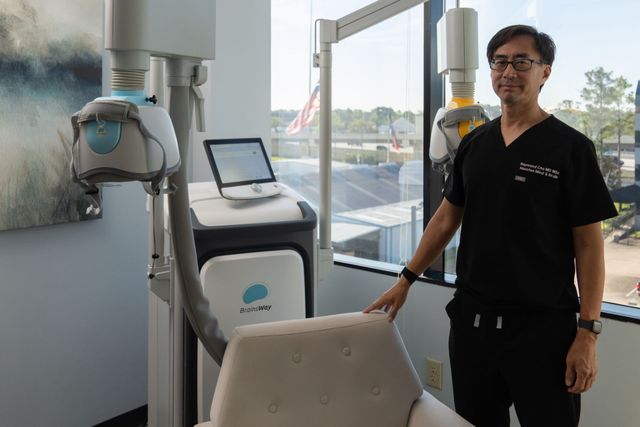
Anxiety and depression very often occur together, and anxious depression tends to be harder to treat with medication alone. The Deep TMS system we use is FDA-cleared specifically for reducing anxiety symptoms in adults with depression — a clearance based on data from 573 patients across 11 studies.¹
In practice, this means the same TMS course that treats depression can also target the anxiety that comes with it, rather than treating the two separately.
Does TMS work for anxiety without depression?
This is where the evidence is still developing. TMS is not currently FDA-cleared for anxiety disorders on their own, such as generalized anxiety disorder or panic disorder. Research is encouraging — a large 2022 review of neurostimulation trials found meaningful reductions in generalized anxiety symptoms² — but the studies are smaller and fewer than those for depression.
When TMS is considered for anxiety alone, it's an off-label use, and we'll talk through what that means for you, including insurance, which typically does not cover off-label treatment.
Is TMS the right fit for my anxiety?
That depends on your symptoms, what you've already tried, and whether depression is part of the picture. During your evaluation we'll look at the full range of options — including medication, therapy, and ketamine-assisted approaches — and recommend what fits, whether or not that's TMS.
Learn how TMS works, including its risks →
References
- U.S. FDA 510(k) clearance, BrainsWay Deep TMS System, August 2021 — expanded indication for reduction of comorbid anxiety symptoms in adult patients with major depressive disorder.
- Efficacy of neurostimulation across mental disorders: systematic review and meta-analysis of 208 randomized controlled trials. Molecular Psychiatry. 2022.
Treatment options
Medication Management
For many patients, the right medication, prescribed and monitored closely, meaningfully reduces anxiety symptoms. SSRIs and SNRIs are typically first-line for anxiety disorders; we adjust based on how you actually respond rather than applying a one-size-fits-all approach. Learn more about medication management.
Anxiety Therapy
Cognitive behavioral therapy (CBT) has the strongest evidence base for anxiety disorders, and exposure-based approaches are particularly effective for phobias and panic. Therapy often works best alongside medication rather than as a replacement. Learn more about therapy at HMB.
TMS Therapy
Deep TMS is FDA-cleared for anxious depression, meaning the reduction of comorbid anxiety symptoms in adults with depression. BrainsWay's Deep TMS was the first TMS system to receive this clearance (FDA 510(k), 2021), and it's the system we use. In the multicenter trial supporting that clearance, anxiety symptom reductions held through 16 weeks of follow-up. Deep TMS is not FDA-cleared for anxiety disorders occurring on their own — so whether it's an option for you depends on whether depression is part of the picture, which we'll determine during your evaluation. Learn more about TMS.
Ketamine-Assisted Psychotherapy
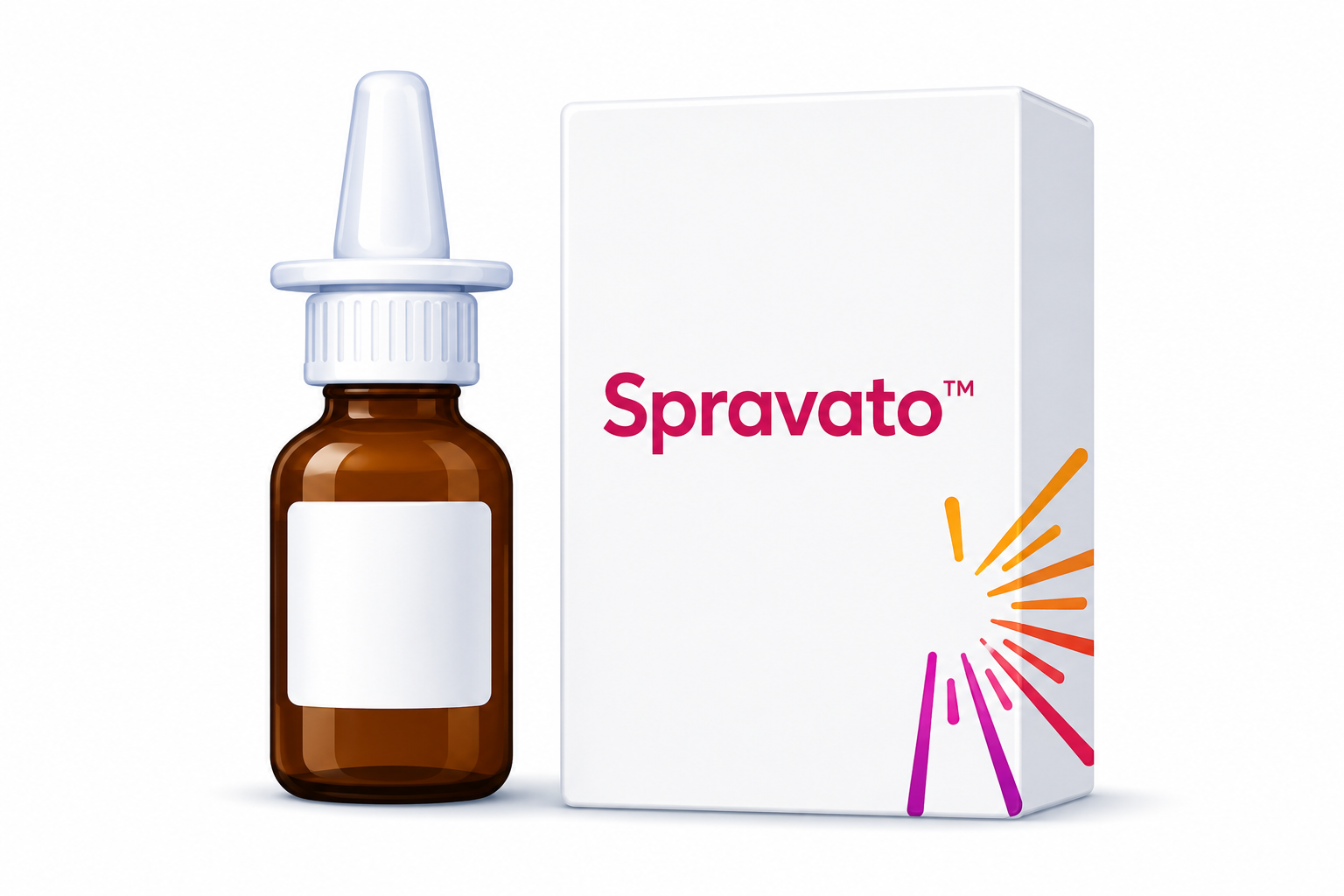
Ketamine and Spravato (esketamine) are not FDA-approved for anxiety disorders. Spravato is approved for treatment-resistant depression; racemic ketamine is used off-label. Some patients with anxiety alongside depression have reported benefit, but we'd frame this as an emerging rather than established use. Learn more about KAP.
Frequently Asked Questions
What type of anxiety treatment is TMS?
Deep TMS is FDA-cleared to reduce anxiety symptoms in adults who have depression with comorbid anxiety, commonly called anxious depression. It isn't cleared for anxiety disorders on their own. Since roughly 60–90% of patients with depression also experience moderate to severe anxiety, this applies to more people than expected — we'll assess during your evaluation whether it fits your situation.
Does ketamine treatment work for anxiety?
Ketamine and Spravato aren't FDA-approved specifically for anxiety disorders. Some patients, particularly those with anxiety alongside depression, have found benefit, but this is an off-label or emerging use rather than an established treatment. We screen carefully and discuss realistic expectations before starting.
How many ketamine treatments for anxiety are typically needed?
This depends on the individual and the specific protocol, which we'll walk you through during your evaluation — there isn't a single fixed number that applies to everyone.
Is anxiety medication addictive?
SSRIs and SNRIs, the medications most commonly prescribed for anxiety disorders, are not addictive. Benzodiazepines carry genuine dependence risk, which is why we prescribe them cautiously and discuss the tradeoffs directly rather than defaulting to them.
Can I try therapy before medication?
Yes. For mild to moderate anxiety, therapy alone is often an appropriate starting point. We'll give you our honest assessment of what's likely to work for your situation, and the decision is yours.
Can anxiety be cured, or only managed?
Many people achieve full remission, meaning symptoms no longer meaningfully interfere with daily life. Others manage anxiety as a recurring condition with periods of improvement. Which outcome is realistic depends on the type of anxiety, how long it's been present, and whether other conditions are involved.
How soon can I be seen?
New patient evaluations are typically available the same week you call.
Do I need a referral?
Most patients don't need a referral to schedule with us. Some HMO plans do require one — if yours does, we'll let you know when we verify your insurance, so it's one less thing you have to figure out yourself.
I have greatly benefited from the services of Houston Mind & Brain. I would encourage anyone seeking neurological or psychiatric treatment to visit them. I have particularly benefited most from their TMS treatment. It has changed my life for the better in so many ways. They have knowledgeable and friendly staff and providers who really do care about your health and because they are a smaller office you really do get that personal connection with the providers and staff. Highly recommend!
Jessie
Comprehensive Psychiatric Care
Related Services
We Accept Insurance and Make Care Affordable






We accept most major plans for FDA-cleared treatments (including standard TMS and Spravato). We verify benefits, manage prior authorization, and provide a written estimate before treatment so there are no surprises.
Do you accept Medicaid?
No - we accept Medicare but do not accept Medicaid. If you have questions about coverage, call our team and we’ll help.
Will my insurance cover TMS?
Many commercial plans cover standard TMS when medical-necessity criteria are met. Accelerated/fast-track TMS is often self-pay. We verify benefits and submit prior authorization on your behalf.
What if I’m out of network?
This is uncommon because we are credentialed with most plans. If needed, we can provide a superbill for out-of-network reimbursement.
How do I get a written estimate?
Request a free 20-minute expert call. We’ll run a benefits check, explain likely coverage, and send a written estimate of patient responsibility before any treatment.
Can I get sliding scale pricing for TMS?
Yes. We offer sliding scale pricing for eligible patients and can provide a written cost estimate before treatment. To be considered, we’ll ask for proof of income, such as tax documents.
At this time, sliding scale pricing is not available for Medicare patients or for accelerated TMS protocols.

Integrated Care That Delivers Results
Research-informed care that integrates medication management, psychotherapy, TMS, and Spravato/ketamine into a coordinated treatment plan. Treatments are thoughtfully sequenced and monitored within a structured clinical model to support safety, consistency, and meaningful outcomes.
Why Choose Houston Mind & Brain?
MD-led, research-informed brain health - advanced treatments, personalized plans, and practical insurance support.

Insurance Help & Clear Pricing

30+ Years MD Led Psychiatry

Accelerated TMS & Fast Track Paths

Clinical Research & Outcomes Tracking

Integrated Treatment Options
Spravato, Ketamine & KAP Programs