




We Verify Benefits & Send a Written Estimate
30+ Years of Clinical Leadership
TMS, Ketamine & Therapy, Coordinated Into One Plan
Proven Protocols, Tracked Outcomes


Finding the right psychiatric care in Houston shouldn't be complicated. At Houston Mind & Brain, care starts with a thorough evaluation of your history, current symptoms, and goals, and ends with a clear, personalized treatment plan. Most patients are seen the same week they call. Our psychiatric providers work within a shared clinical framework, with regular case review and physician input available for complex or challenging cases.
What to Expect
Your first visit. A comprehensive evaluation with a psychiatrist or nurse practitioner involves a detailed clinical interview based on DSM-5 criteria. We reserve a full hour to conduct a thorough mental status exam, review your medical history, and discuss your current symptoms and treatment goals. Our diagnostic process ensures you leave with a clear, evidence-based treatment plan and next steps, not just a diagnosis.
Ongoing care. Follow-up visits with your provider to monitor how you're responding, adjust medications as needed, and coordinate with therapy if that's part of your plan.
If standard treatment isn't enough. For patients whose symptoms have not responded to medication and therapy, our psychiatric providers can move you to an interventional option without changing clinics. Everything is managed within the same coordinated care team. TMS is FDA-cleared for major depression and, with a different coil, for OCD. Spravato (esketamine) is FDA-approved for treatment-resistant depression. We also offer ketamine-assisted psychotherapy.
Our Psychiatrists and Psychiatric Nurse Practitioners
Our providers collaborate closely, so your treatment plan benefits from more than one perspective. The team holds regular case reviews to make sure every plan reflects current best practice.
We are highly selective about the psychiatric nurse practitioners who join us. Each one arrives with meaningful clinical experience and trains directly with our physicians, and physician input is available whenever a case becomes complex.

RAYMOND CHO, MD, MSC
Founder & Medical Director
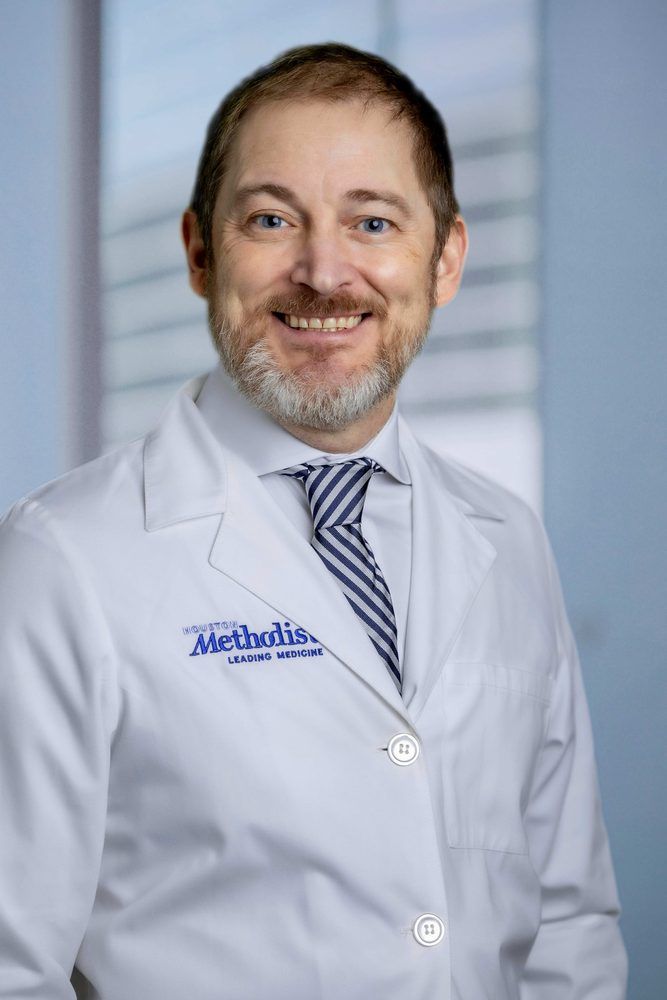
alan prossin, MD
Psychiatrist
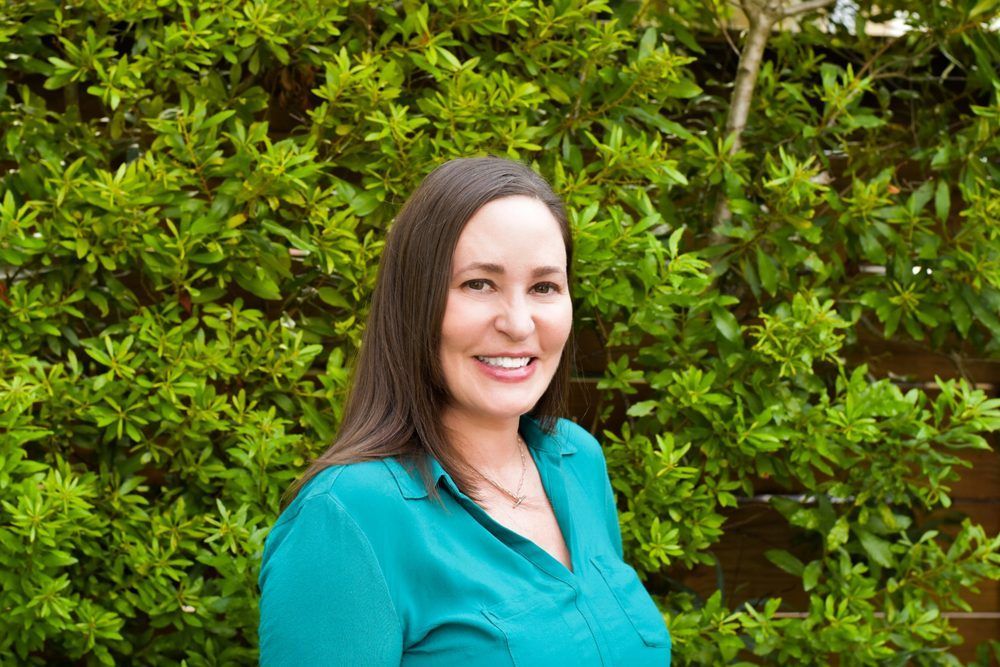
Jennifer lee, MSN, APRN, FNP-C, PMHNP-BC
Psychiatric Mental Health Nurse Practitioner

ajoke kazeem, MSN, APRN, PMHNP-BC
Psychiatric Mental Health Nurse Practitioner

debbie mathew, MSN, APRN, FNP-C, PMHNP-BC
Psychiatric Mental Health Nurse Practitioner
Dr. Cho and Dr. Prossin are members of the Houston Methodist Physicians' Alliance for Quality; Dr. Cho also serves on its Board of Directors.
TMS & Psychiatry In Houston
Conditions Our Psychiatric Providers Treat
We treat adults. TMS is also available for patients ages 15 and up.
Including treatment-resistant depression. TMS therapy, Spravato, ketamine, medication management and psychotherapy.

Depression

Personalized anxiety treatment, including medication, psychotherapy and TMS therapy.

Anxiety

Bipolar disorder, PTSD and other conditions our psychiatric providers treat.

More Conditions
Psychiatric Evaluation in Houston
Your first visit is a comprehensive psychiatric evaluation with a psychiatrist or psychiatric nurse practitioner. We reserve a full hour for a detailed clinical interview based on DSM-5 criteria, a mental status exam, and a review of your medical history and prior treatment.
You leave with a diagnosis explained in plain terms, an evidence-based treatment plan, and clear next steps. When it is clinically appropriate, your provider may start medication at this visit.
Medication Management
Ongoing medication management means regular follow-up visits with the same provider to track how you are responding, adjust doses, manage side effects, and change course when a medication is not working.
Your provider coordinates with your therapist when therapy is part of your plan. Many patients come to us for a second opinion after several medication trials elsewhere.
Online Psychiatry & Telehealth in Texas
Evaluations, medication management, and psychotherapy are available by secure video for adults located in Texas at the time of the visit. Telepsychiatry visits are with the same providers you would see in our Houston office. In-clinic treatments such as TMS and Spravato require in-person visits.
TMS & Psychiatry In Houston
Understanding Psychiatric Care
Not sure which kind of provider you need? Here is how the roles, training, and specialties differ.
How long does it take to become a psychiatrist?
Becoming a psychiatrist takes at least 12 years after high school, and 13 to 14 with a fellowship. Years 1–4 are a bachelor's degree with pre-medical coursework and the MCAT. Years 5–8 are medical school: two years of classroom science and the first licensing exam (USMLE Step 1 or COMLEX Level 1), then clinical rotations in year 7, including psychiatry, and electives, residency applications, and the second licensing exam in year 8. Year 9 is an internship in a hospital, with rotations in medicine and neurology. Years 10–12 are psychiatry residency, with training in diagnosis, medication management, and psychotherapy. After residency, psychiatrists apply to the American Board of Psychiatry and Neurology (ABPN) and pass its exam to become board certified, then maintain that certification through continuing education and periodic knowledge assessments. Some complete a one- to two-year fellowship in a subspecialty.
What are the subspecialties of psychiatry?
After residency, a psychiatrist can complete fellowship training in a subspecialty.
- Addiction psychiatry: substance use disorders alongside co-occurring mental health conditions.
- Child and adolescent psychiatry: mental health conditions in children and teens.
- Geriatric psychiatry: mental health in older adults, including dementia-related symptoms.
- Forensic psychiatry: psychiatry applied to legal questions, such as competency evaluations.
- Consultation-liaison psychiatry: psychiatric conditions in patients with medical illness.
- Brain injury medicine: cognitive and emotional effects of brain injury.
- Sleep medicine: evaluation and treatment of sleep disorders.
- Pain medicine: chronic pain and its psychiatric dimensions.
- Hospice and palliative medicine: mental health and symptom relief in serious illness.
Interventional psychiatry is an emerging area of focus that is not yet a board-recognized subspecialty. It covers procedure-based treatments for conditions that have not responded to standard medication and therapy, including neuromodulation such as TMS and rapid-acting medications such as Spravato (esketamine) and ketamine.
Houston Mind & Brain is an interventional psychiatry practice. These treatments are the focus of Dr. Cho’s clinical and research work, and we offer them alongside general psychiatric care, medication management, and therapy, so your treatment plan can change without changing practices.
What's the difference between a psychiatrist, psychologist, therapist, and counselor?
A psychiatrist is a medical doctor (MD or DO) who can diagnose mental health conditions, prescribe medication, and perform procedures such as TMS. Psychologists, therapists, and counselors focus on testing and talk therapy and generally do not prescribe medication.
Each role starts with different training. Psychologists hold a doctorate (PhD or PsyD) and are trained in psychological testing. Therapists, such as licensed clinical social workers (LCSW) and marriage and family therapists (LMFT), and counselors (LPC) hold master's degrees and provide talk therapy. Psychiatric nurse practitioners (PMHNP) hold a master's or doctoral nursing degree and can diagnose, prescribe, and provide therapy in collaboration with a physician. We are highly selective about the nurse practitioners we work with, choosing only those with excellent psychiatric training and education. Many people benefit from more than one role, such as a psychiatrist managing medication while a therapist provides weekly talk therapy.
Request an Appointment With a Houston Psychiatric Provider
Call or text us at
(832) 699-7922, or send a request online. Most new patients can be seen the same week.
Frequently Asked Questions
Who will I see for my appointment?
You're welcome to request a specific provider, and we'll do our best to accommodate that. Appointments are generally scheduled with the next available provider — in most cases, that means being seen sooner.
Dr. Cho's direct caseload is mostly focused on TMS and ketamine consultations, along with complex or off-label cases, including many referred to him by other physicians specifically for his expertise. Dr. Prossin also sees complex cases. This focus allows both physicians to stay closely involved in training and overseeing the rest of the care team, so the same clinical judgment shaping their own cases also shapes the care you receive from any provider you see.
Will I see a psychiatrist or a nurse practitioner?
Both are part of our care team, and we know this is a real question for a lot of patients — so let's address it directly. We hear the concern, and it's a fair one: not all nurse practitioner care is created equal.
Here's how we're different. Our nurse practitioners don't start from zero — every one of them comes to us with meaningful prior clinical experience, and we're deliberately selective about who joins the team. From there, they train directly under our physicians before seeing patients independently, with physician input available whenever a case gets complex.
We also don't just assume this works — we track it. We monitor patient outcomes and feedback across every provider on our team, including our nurse practitioners, and the data backs up what we see every day in the clinic: our NPs consistently deliver excellent results and some of the strongest patient satisfaction in the practice. This isn't a lesser tier of care — it's a different, well-trained provider type getting genuinely great outcomes.
What is the difference between a psychiatrist, psychologist, and therapist?
A psychiatrist is a medical doctor (MD or DO) who can diagnose mental health conditions and prescribe medications. A psychologist holds a doctoral degree (PhD or PsyD) and focuses on psychological testing and talk therapy, but generally cannot prescribe medication. A therapist or counselor holds a master's degree (such as an LPC or LCSW) and provides various forms of talk therapy and counseling to help patients manage emotional and behavioral challenges.
Do I need a referral to see a psychiatrist?
Most patients don't need a referral to schedule with us. Some HMO plans do require one — if yours does, we'll let you know when we verify your insurance.
Do you accept insurance?
We accept most major insurance plans and verify your benefits before your first visit, so there are no surprises.
How soon can I be seen?
New patient evaluations are typically available the same week you call.
Do you offer telehealth appointments?
Yes — medication management and psychotherapy can be delivered via secure telehealth. In-clinic treatments like TMS and Spravato require in-person visits.
What is treatment-resistant depression?
Treatment-resistant depression means depression that hasn't responded adequately to standard treatments like antidepressants or therapy alone. If that describes your experience, it doesn't mean you're out of options — it usually means it's time to explore additional or advanced treatments. At Houston Mind & Brain, we offer TMS, Spravato, and ketamine-assisted psychotherapy for patients whose depression hasn't responded to standard care.
How long does it take to become a psychiatrist?
Becoming a psychiatrist requires a minimum of 12 years of higher education. This includes four years of undergraduate college, four years of medical school to earn an MD or DO degree, and four years of specialized residency training in psychiatry. After completing this extensive training, psychiatrists can become board-certified by the American Board of Psychiatry and Neurology.
I have greatly benefited from the services of Houston Mind & Brain. I would encourage anyone seeking neurological or psychiatric treatment to visit them. I have particularly benefited most from their TMS treatment. It has changed my life for the better in so many ways. They have knowledgeable and friendly staff and providers who really do care about your health and because they are a smaller office you really do get that personal connection with the providers and staff. Highly recommend!
Jessie
Comprehensive Psychiatric Care
Related Services
We Accept Insurance and Make Care Affordable






We accept most major plans for FDA-cleared treatments (including standard TMS and Spravato). We verify benefits, manage prior authorization, and provide a written estimate before treatment so there are no surprises.
Do you accept Medicaid?
No - we accept Medicare but do not accept Medicaid. If you have questions about coverage, call our team and we’ll help.
Will my insurance cover TMS?
Many commercial plans cover standard TMS when medical-necessity criteria are met. Accelerated/fast-track TMS is often self-pay. We verify benefits and submit prior authorization on your behalf.
What if I’m out of network?
This is uncommon because we are credentialed with most plans. If needed, we can provide a superbill for out-of-network reimbursement.
How do I get a written estimate?
Request a free 20-minute expert call. We’ll run a benefits check, explain likely coverage, and send a written estimate of patient responsibility before any treatment.
Can I get sliding scale pricing for TMS?
Yes. We offer sliding scale pricing for eligible patients and can provide a written cost estimate before treatment. To be considered, we’ll ask for proof of income, such as tax documents.
At this time, sliding scale pricing is not available for Medicare patients or for accelerated TMS protocols.
Integrated Care That Delivers Results
We provide research-informed care that integrates medication management, psychotherapy, and advanced interventional psychiatry treatments. Our offerings include Transcranial Magnetic Stimulation (TMS) and Spravato (esketamine), which are FDA-approved for treatment-resistant depression. The broader field of interventional psychiatry also includes Electroconvulsive Therapy (ECT), Deep Brain Stimulation (DBS), Vagus Nerve Stimulation (VNS), and emerging therapies like psilocybin, though our clinic focuses specifically on delivering the safest, most effective FDA-cleared TMS and ketamine protocols in a coordinated treatment plan.
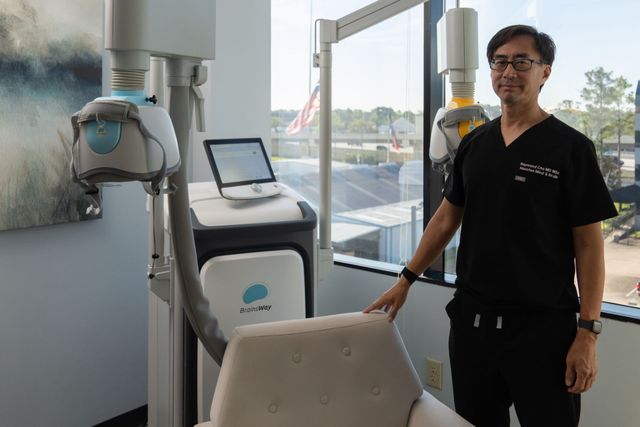
Why Choose Houston Mind & Brain?
MD-led, research-informed brain health - advanced treatments, personalized plans, and practical insurance support.

Insurance Help & Clear Pricing
30+ Years MD Led Psychiatry

Accelerated TMS & Fast Track Paths

Clinical Research & Outcomes Tracking

Integrated Treatment Options
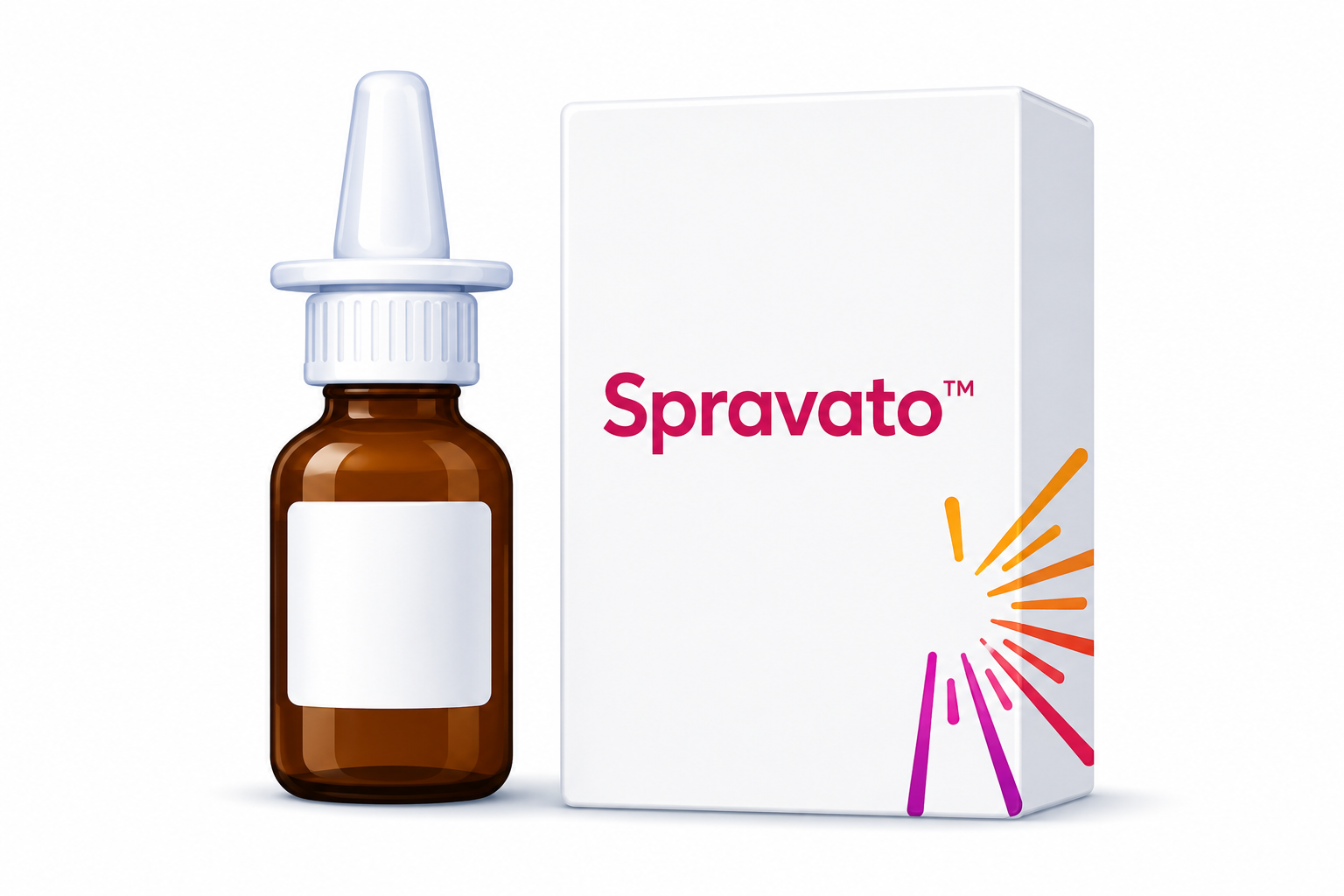
Spravato, Ketamine & KAP Programs