



Depression Treatment
in Houston, TX
If you've tried medication, therapy, or both — and you still don't feel like yourself — you're not out of options.
Houston Mind & Brain is a physician-led psychiatric practice offering depression treatment in Houston across the full range of severity. Some patients come to us for a first evaluation. Many come after years of treatment that never quite worked. Both are the right reason to be here.
We start with a real evaluation, and we reserve a full hour for it.

We Verify Benefits & Send a Written Estimate
30+ Years of Clinical Leadership
TMS, Ketamine & Therapy, Coordinated Into One Plan
Proven Protocols, Tracked Outcomes
Does This Sound Familiar?
"I feel like I was just handed a prescription and sent on my way."
A short appointment often isn't enough to understand what's driving your depression. Our evaluations get to the bottom of things first — before we talk treatment.
"I've been on three different medications and nothing's stuck."
Cycling through medications without a clear plan is exhausting. Our psychiatric providers look at the whole picture — including whether medication is even the right next step.
"I've tried everything. I don't know what else to do."
Between TMS, Spravato, ketamine-assisted psychotherapy, and our ongoing research into new approaches, "tried everything" doesn't always mean "out of options."
How We're Different
01
We evaluate before we treat
We reserve a full hour for every new patient evaluation, because good care starts with listening to the whole picture: medical, psychological and social.
02
We offer the full range
Medication, therapy, TMS, Spravato, and ketamine-assisted psychotherapy — coordinated into one plan, not limited to one provider's specialty.
03
We're active in depression research
Dr. Raymond Cho brings three decades of NIH-funded neurostimulation research directly into clinical care. Dr. Alan Prossin directs a research program studying the biological links between inflammation and depression. Ask us about current studies.
Seeing a Psychiatrist for Depression: How We Evaluate
60 minutes, reserved for you
Quality care takes time. We reserve a full hour for every new patient evaluation, so we can listen to what's really been going on: medically, psychologically and socially.
Patients often tell us it is the first time a provider has spent that long with them.
The time matters because depression is a diagnosis, but it is not one condition. Two people with the same symptoms can need different treatment, so the first visit is a depression evaluation, not a prescription.
Your psychiatric provider will work through the questions that most often explain why earlier treatment fell short:
Is the diagnosis right?
We look at the pattern of your symptoms over time, including any periods of unusually high energy, little need for sleep or racing thoughts. Those can point to bipolar depression, which is treated differently and can worsen on an antidepressant alone.
Did earlier medications get a fair trial?
We review each medication you have taken: the dose, how long you took it and why it was stopped. A medication stopped after two weeks, or kept at a starting dose, has not really been tested. This matters for your plan, and it matters for insurance approval of treatments such as TMS and Spravato.
Is something else contributing?
Thyroid problems, sleep apnea, chronic pain, alcohol and some prescription medications can cause or deepen depression. We ask about them, and we coordinate with your primary care doctor when testing is needed.
What else is going on?
Anxiety, OCD, ADHD and trauma often travel with depression. Treating depression while missing one of them is a common reason people stay stuck.
How will we know it's working?
We typically track symptoms with a standardized questionnaire such as the PHQ-9, so decisions rest on a measured trend as well as on how a single visit feels.
Depression Treatment Options at Houston Mind & Brain
Most people do best with a combination, and the right one depends on what your evaluation finds. These are the options our psychiatric providers and therapist draw from.
What the research shows. In the 278-patient ASCERTAIN-TRD trial, adding TMS to a current antidepressant produced greater improvement over eight weeks than switching to a different antidepressant [5]. A second 2024 trial is covered in the next section.

TMS Therapy
What the research shows.
A network meta-analysis of 101 trials and nearly 12,000 patients found that therapy and medication performed about equally well on their own, and that the two combined worked better than either one alone [2].

Psychotherapy
What the research shows. A 2022 systematic review of 17 studies and 603 participants found that combining ketamine with psychotherapy can prolong improvement in depression in some settings. The studies were small and varied in how the therapy was delivered, so the review called for larger trials [6].

KAP
What the research shows.
In STAR*D, the largest study of sequential depression treatment, the chance of remission fell with each additional medication step. That pattern held in a 2023 independent reanalysis of the trial's data [1].

Medication
What the research shows. In a 676-patient trial comparing two add-on treatments for treatment-resistant depression, 27% of patients receiving Spravato were in remission at eight weeks, compared with 18% of those receiving quetiapine [3].

Spravato
What the research shows. Accelerated TMS compresses a course from weeks into days. In a 2026 randomized trial of 104 adults, an accelerated Deep TMS schedule improved depression scores as much as the standard six-week course [7]. Response rates were nearly identical, at 87.8% and 87.5%.

Accelerated TMS
What Treatment-Resistant Depression Means
Depression is generally considered treatment-resistant when it hasn't responded adequately to at least two different antidepressant medications, each taken at an adequate dose for an adequate length of time. That definition matters, because it's the threshold most insurance plans use when deciding whether to cover treatments like TMS or Spravato. If you've been through two or more medication trials without meaningful improvement, you may already qualify for options you haven't been offered. It's also worth saying plainly: treatment-resistant doesn't mean untreatable. It means the standard first-line approach didn't work, and it's time to look at treatments that work through different mechanisms in the brain.
For a fuller explanation of what causes it and what to try next, read our guide to
treatment for treatment-resistant depression.
Should I try another antidepressant, or something different?
For years the standard answer to a failed antidepressant was to try another one. Two randomized trials published in 2024 tested that directly. In a Dutch multicenter trial, 89 patients whose depression had not responded to at least two treatments received either TMS or the next medication step for eight weeks, with psychotherapy in both groups [4]. The authors concluded that TMS should be considered earlier in treatment, not held back as a last resort. In the U.S. ASCERTAIN-TRD trial of 278 patients, adding TMS to the current antidepressant produced greater improvement over eight weeks than switching to a different antidepressant [5].
Treatment-resistant depression is the core of what this practice does. Dr. Raymond Cho spent three decades on NIH-funded neurostimulation research before bringing those protocols into clinical practice here.
Proven Outcomes for Treatment-Resistant Depression
When standard medications fail, advanced treatments offer new hope. Our clinic tracks outcomes and relies on proven protocols to deliver results:
- TMS Therapy: Clinical trials show response rates of up to 87% for accelerated TMS protocols.
- Spravato (Esketamine): Studies indicate that 27% of patients achieve remission at eight weeks when adding Spravato to their treatment plan.
- Ketamine-Assisted Psychotherapy (KAP): Research shows significant, rapid reduction in depressive symptoms when ketamine is combined with targeted psychotherapy.
Transparent Pricing & Cost Comparison
We accept most major commercial insurance plans for FDA-cleared treatments, including standard TMS and Spravato. Our in-network providers include Blue Cross Blue Shield (BCBS), Aetna, Cigna, UnitedHealthcare (UHC), and Medicare (See full insurance list here). We verify your benefits, manage the prior authorization process, and provide a clear, written estimate of your patient responsibility before any treatment begins so there are no surprises.
We believe in transparent pricing for all our treatments. Here is a general breakdown of how our costs are structured:
- Insurance-Accepted Rates: For FDA-cleared treatments like standard TMS and Spravato, you are typically only responsible for your specialist copay or deductible. We will provide a written estimate of your exact out-of-pocket cost before treatment begins.
- Self-Pay Rates: For accelerated TMS or off-label ketamine treatments, we offer competitive self-pay rates. Please see our full Pricing Guide for the most up-to-date fees.
- Sliding-Scale Options: We offer income-based sliding scale pricing for TMS for eligible patients (excluding Medicare or accelerated TMS). Proof of income is required to qualify.
Looking for a Depression Therapist in Houston?
If you've been searching for a depression therapist in Houston, our team can help. Houston Mind & Brain offers depression therapy and depression counseling with our full-time therapist — in person or via telehealth — whether or not you're interested in medication or other treatment.
For some patients, talk therapy alone is the right fit. For others — especially those who haven't found relief through therapy or medication in the past — we also offer advanced options like TMS, Spravato, and Ketamine-Assisted Psychotherapy (KAP), which combines therapy directly with treatment. Your provider will work with you to find the right approach, whether that's therapy on its own, medication management, or a combination of both.
Whether you're looking for a depression therapist for the first time or want to explore additional options if past treatment hasn't worked, we're here to help you find the right path forward.
Ready to Talk to a Depression Therapist?
Our full-time therapist is here to help, whether you're looking for talk therapy on its own or want to explore it alongside other treatment options.
How Soon Can You Be Seen?
New patient evaluations are typically available the same week you call. We are an outpatient clinic — not a walk-in or emergency facility — but for people who need help quickly, same-week scheduling is usually possible, and we'll tell you honestly what our availability looks like when you call.
Immediate Crisis Support in Houston
If you are experiencing a mental health emergency and cannot wait for an outpatient appointment, immediate help is available. Please call or text the Suicide & Crisis Lifeline at 988, or go to your nearest emergency room. In Houston, you can also contact The Harris Center for Mental Health and IDD Crisis Line at 713-970-7000 (available 24/7) or access their Mobile Crisis Outreach Team (MCOT). For non-emergencies, call us at (832) 699-7922 and we'll find you the soonest opening with the right provider.
Depression Treatment Options at Houston Mind & Brain
Medication Management
Individualized prescribing with regular follow-up to see what's working — and adjust, including addressing side effects, when it isn't. Learn more about Psychiatry at Houston Mind & Brain.
Psychotherapy
Evidence-based talk therapy addressing the patterns behind depression — alone for milder cases, or paired with medication for more persistent symptoms. Learn more about Psychotherapy.
TMS Therapy
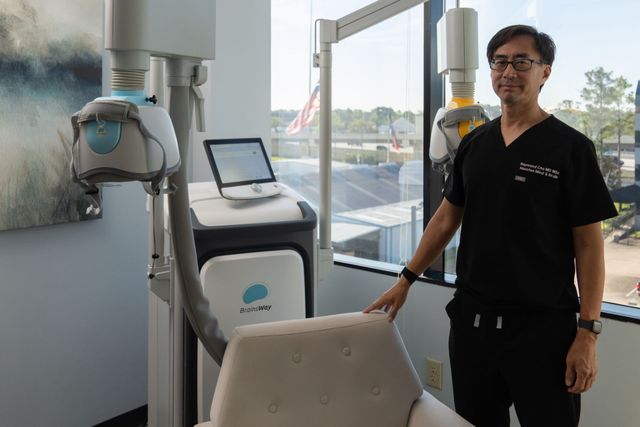
A non-medication option that uses magnetic pulses to target the areas of the brain involved in depression and mood regulation — especially worth considering if medications haven't worked well. Learn more about what to expect during TMS treatment.
Ketamine-Assisted Psychotherapy
For depression that hasn't responded to standard treatment, ketamine-based options can offer relief on a different timeline — often faster, and through a different mechanism in the brain. Learn more about KAP.
Spravato
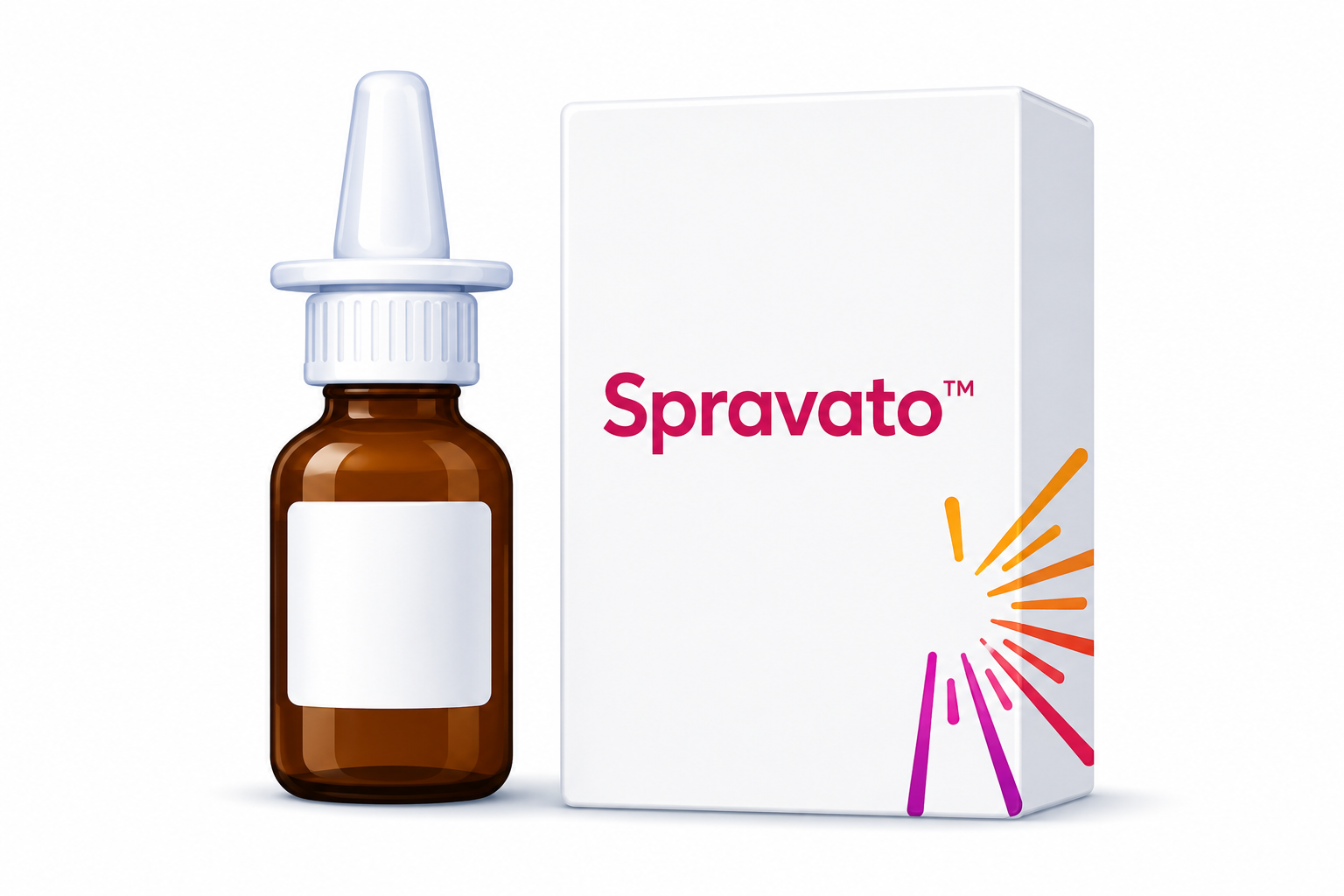
An FDA-approved esketamine nasal spray for treatment-resistant depression, used alongside an oral antidepressant with in-office monitoring. Learn more about Spravato.
You don't have to keep guessing
Whether you're just starting to look for help or feel like you've tried everything, there's a next step worth taking.
Frequently Asked Questions
What is treatment-resistant depression?
Depression that hasn't improved adequately after at least two antidepressant trials at adequate dose and duration. It's the standard threshold insurers use for approving TMS and Spravato, and it's the population this practice was built around. Learn more about what treatment-resistant depression is and what causes it.
What is TMS treatment for depression?
TMS uses magnetic pulses delivered through a coil placed against the scalp to stimulate the brain regions involved in mood regulation. It's FDA-cleared for major depressive disorder, requires no anesthesia or sedation, and a standard course runs about six weeks — or one day to one week with our accelerated protocols.
Why isn't my antidepressant working?
There are a lot of possible reasons — the dose, the specific medication, or the type of depression you're dealing with. It may be time for a fresh evaluation to figure out what will.
Do I have to stop my antidepressant to start TMS?
No — and we usually recommend against changing medications right as TMS begins. Many patients hope TMS will eventually let them come off medication, which is a reasonable goal. But if you change two things at once, there's no way to tell which one is responsible for how you feel. Stopping an antidepressant can also produce discontinuation symptoms that look a lot like TMS not working. We generally ask patients to keep medications stable through the course, then have an informed conversation about tapering once we know how you responded.
I've already tried multiple medications. What's next?
Options can include adjusting your current medication approach, adding targeted psychotherapy, or moving to advanced interventions like TMS, Spravato, or ketamine-assisted psychotherapy (KAP). During your evaluation, we will discuss all available evidence-based treatments for treatment-resistant depression. If Electroconvulsive Therapy (ECT) is clinically indicated, we can also provide guidance and coordinate referrals to specialized local centers. Our guide to treatment-resistant depression walks through each of these options in detail. Our guide to treatment-resistant depression treatment walks through each option.
How many ketamine treatments for depression are needed?
It depends on the treatment and your response. Spravato follows a defined FDA-labeled schedule — twice weekly at first, then tapering. Other ketamine-based approaches are individualized. We'll map out the expected number of sessions before you start, as part of your written plan.
Can I get a second opinion here?
Yes — many patients come to us for a fresh evaluation after feeling like their current treatment isn't working.
How do I know if I qualify for a clinical trial?
Eligibility depends on the specific study and your treatment history. Reach out and ask — we'll tell you what's currently available. You can also check out our Clinical Trials Page.
How soon can I be seen?
New patient evaluations are typically available the same week you call.
How much is ketamine treatment for depression?
Spravato is covered by many insurance plans for treatment-resistant depression. Other ketamine-based treatments are typically self-pay. We verify your benefits and give you a written estimate before anything begins — see our pricing guide for current self-pay rates.
Do you take insurance for depression treatment?
We accept most major plans for FDA-cleared treatments, including standard TMS and Spravato. We verify benefits, manage prior authorization, and provide a written estimate before treatment. We accept Medicare but not Medicaid.
Do you offer online or telehealth therapy sessions?
Yes. Our therapist offers sessions both in person and via telehealth, so you can choose whichever works best for your schedule.
Medically reviewed by Raymond Cho, MD. Last updated October 2026.
References
- Rush AJ, Trivedi MH, Wisniewski SR, et al. Acute and longer-term outcomes in depressed outpatients requiring one or several treatment steps: a STAR*D report. Am J Psychiatry. 2006;163(11):1905-1917. Reanalysis: Pigott HE, Dart JA, Kaur I, Kipp T, Xue C. Reanalysis of the STAR*D trial. BMJ Open. 2023;13(7):e063095.
- Cuijpers P, Noma H, Karyotaki E, et al. A network meta-analysis of the effects of psychotherapies, pharmacotherapies and their combination in the treatment of adult depression. World Psychiatry. 2020;19(1):92-107.
- Reif A, Bitter I, Buyze J, et al. Esketamine nasal spray versus quetiapine for treatment-resistant depression. N Engl J Med. 2023;389(14):1298-1309.
- Dalhuisen I, van Oostrom I, Spijker J, et al. rTMS as a next step in antidepressant nonresponders. Am J Psychiatry. 2024. doi:10.1176/appi.ajp.20230556
- Papakostas GI, Trivedi MH, Shelton RC, et al. Comparative effectiveness research trial for antidepressant incomplete and non-responders with treatment resistant depression (ASCERTAIN-TRD). Mol Psychiatry. 2024.
- Drozdz SJ, Goel A, McGarr MW, et al. Ketamine assisted psychotherapy: a systematic narrative review of the literature. J Pain Res. 2022;15:1691-1706.
- Hanlon CA, Roth Y, Bermudes RA, et al. Accelerated TMS with the H1-coil for depression: a multisite, randomized non-inferiority trial. Brain Stimul. 2026:103050. doi:10.1016/j.brs.2026.103050.
I have greatly benefited from the services of Houston Mind & Brain. I would encourage anyone seeking neurological or psychiatric treatment to visit them. I have particularly benefited most from their TMS treatment. It has changed my life for the better in so many ways. They have knowledgeable and friendly staff and providers who really do care about your health and because they are a smaller office you really do get that personal connection with the providers and staff. Highly recommend!
Jessie
Comprehensive Psychiatric Care
Related Services
We Accept Insurance and Make Care Affordable






We accept most major plans for FDA-cleared treatments (including standard TMS and Spravato). We verify benefits, manage prior authorization, and provide a written estimate before treatment so there are no surprises.
Do you accept Medicaid?
No - we accept Medicare but do not currently accept Medicaid. If you are a Medicaid recipient seeking affordable depression treatment in Houston, we recommend contacting The Harris Center for Mental Health and IDD, which provides comprehensive behavioral health services for Medicaid and uninsured patients. If you have questions about your specific coverage, call our team and we’ll help guide you.
Will my insurance cover TMS?
Many commercial plans cover standard TMS when medical-necessity criteria are met. Accelerated/fast-track TMS is often self-pay. We verify benefits and submit prior authorization on your behalf.
What if I’m out of network?
This is uncommon because we are credentialed with most plans. If needed, we can provide a superbill for out-of-network reimbursement.
How do I get a written estimate?
Request a free 20-minute expert call. We’ll run a benefits check, explain likely coverage, and send a written estimate of patient responsibility before any treatment.
Can I get sliding scale pricing for TMS?
Yes. We offer sliding scale pricing for eligible patients and can provide a written cost estimate before treatment. To be considered, we’ll ask for proof of income, such as tax documents.
At this time, sliding scale pricing is not available for Medicare patients or for accelerated TMS protocols.

Integrated Care That Delivers Results
Research-informed care that integrates medication management, psychotherapy, TMS, and Spravato/ketamine into a coordinated treatment plan. Treatments are thoughtfully sequenced and monitored within a structured clinical model to support safety, consistency, and meaningful outcomes.
Why Choose Houston Mind & Brain?
MD-led, research-informed brain health - advanced treatments, personalized plans, and practical insurance support.

Insurance Help & Clear Pricing

30+ Years MD Led Psychiatry

Accelerated TMS & Fast Track Paths

Clinical Research & Outcomes Tracking

Integrated Treatment Options
Spravato, Ketamine & KAP Programs