




Depression
Anxiety
OCD
PTSD
Successful Treatments
Patient Satisfaction Rate
Years of Medical Experience
Treatment Success Rate
RESPONSE RATES
Depression
Anxiety
OCD
PTSD
Successful Treatments
Patient Satisfaction Rate
Years of Medical Experience
Treatment Success Rate
RESPONSE RATES


TMS (transcranial magnetic stimulation) uses focused magnetic pulses to activate brain circuits involved in mood and obsessive-compulsive symptoms. It’s non-invasive, needs no anesthesia, and fits around a normal day. This page covers the practical side of treatment. For the science, or to see whether you’re a candidate, start here:

How Much Does TMS Cost?
TMS cost with insurance
Most major plans cover TMS for depression once medical-necessity criteria are met, which generally means depression that has not improved with antidepressant treatment. Some plans also cover Deep TMS for OCD.
With insurance, we have seen patient cost range from $0 to $132 per session, depending on the plan and whether the deductible has been met. Because the range is that wide, we verify your benefits and send a written estimate before you start, so you know your number in advance.
✓ We submit the prior authorization and handle the follow-up with your plan
✓ In-network with Aetna, BCBS Texas, Cigna, UnitedHealthcare, Medicare, TRICARE, and more
See the insurance plans we accept →
Have a high-deductible plan? You may be eligible for our sliding scale program, and we also offer payment plans to make treatment more accessible.
Approval usually takes up to two weeks, and sometimes only a few days. If you don’t see your plan listed, call us; we work with many smaller plans as well.
Self-pay
A sliding scale is available for standard TMS, and payment plans can be arranged case by case.
YOUR COURSE OF TREATMENT
How Many TMS Sessions Will I Need?
A standard course for depression is about 36 sessions: one session a day, Monday through Friday, for about 6 weeks, followed by a short taper. A standard course for OCD is 29 sessions over about six weeks. The number of sessions your plan approves can vary, so we confirm your approved treatment before you start, and your provider will walk you through your exact schedule.

Consultation & approval
A psychiatric evaluation confirms TMS is right for you. We verify benefits, submit the prior authorization, and send a written estimate.

Mapping session
Your first visit finds the exact position and intensity for your brain. Plan on about 60 minutes for this visit.

Daily treatment
Short weekday sessions. We track your symptoms weekly, and some patients notice improvement within 2–4 weeks.

Taper & follow-up
Sessions space out at the end of the course. Some patients benefit from maintenance sessions, planned with your provider.
What does a TMS Session Feel Like?
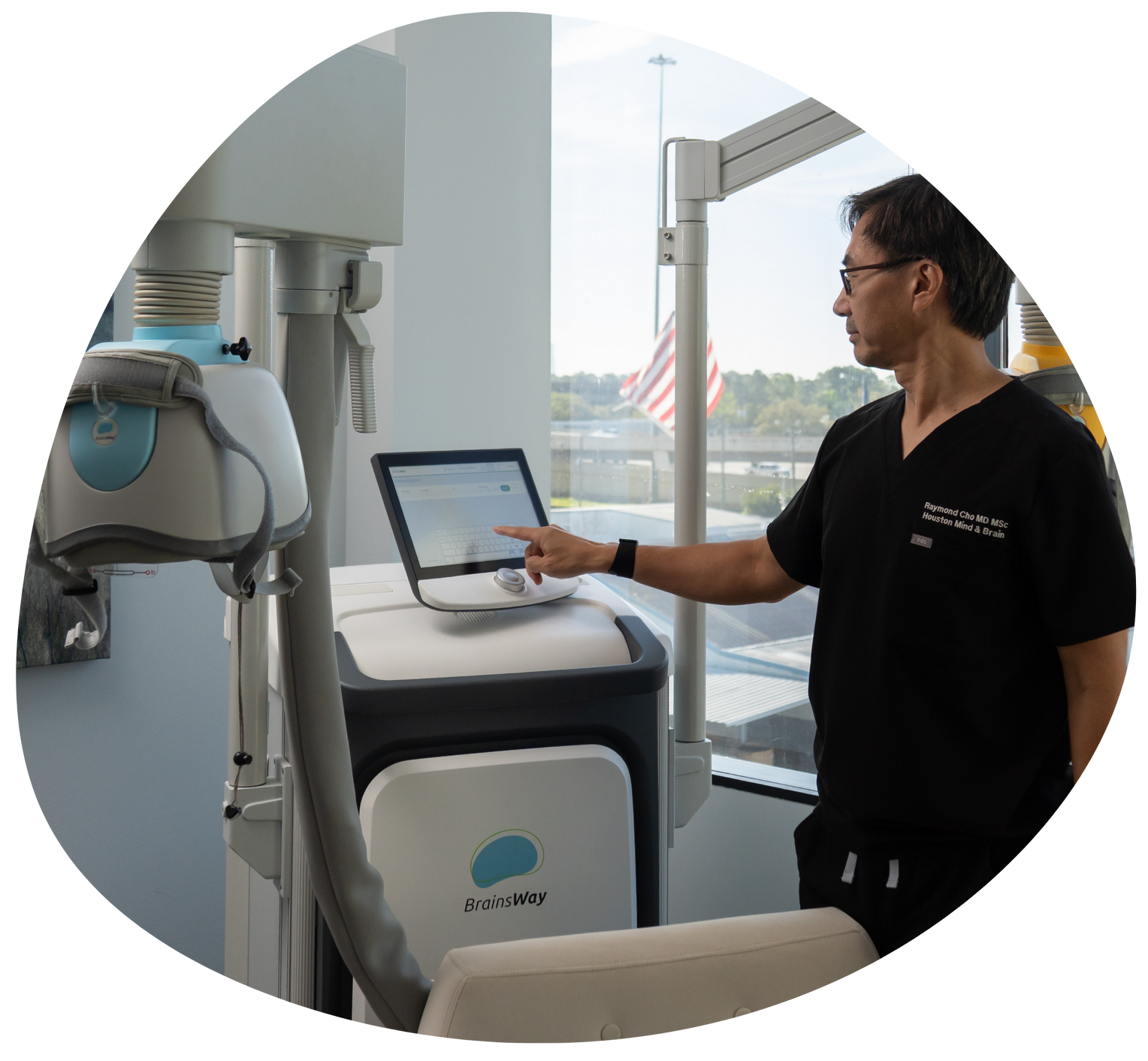
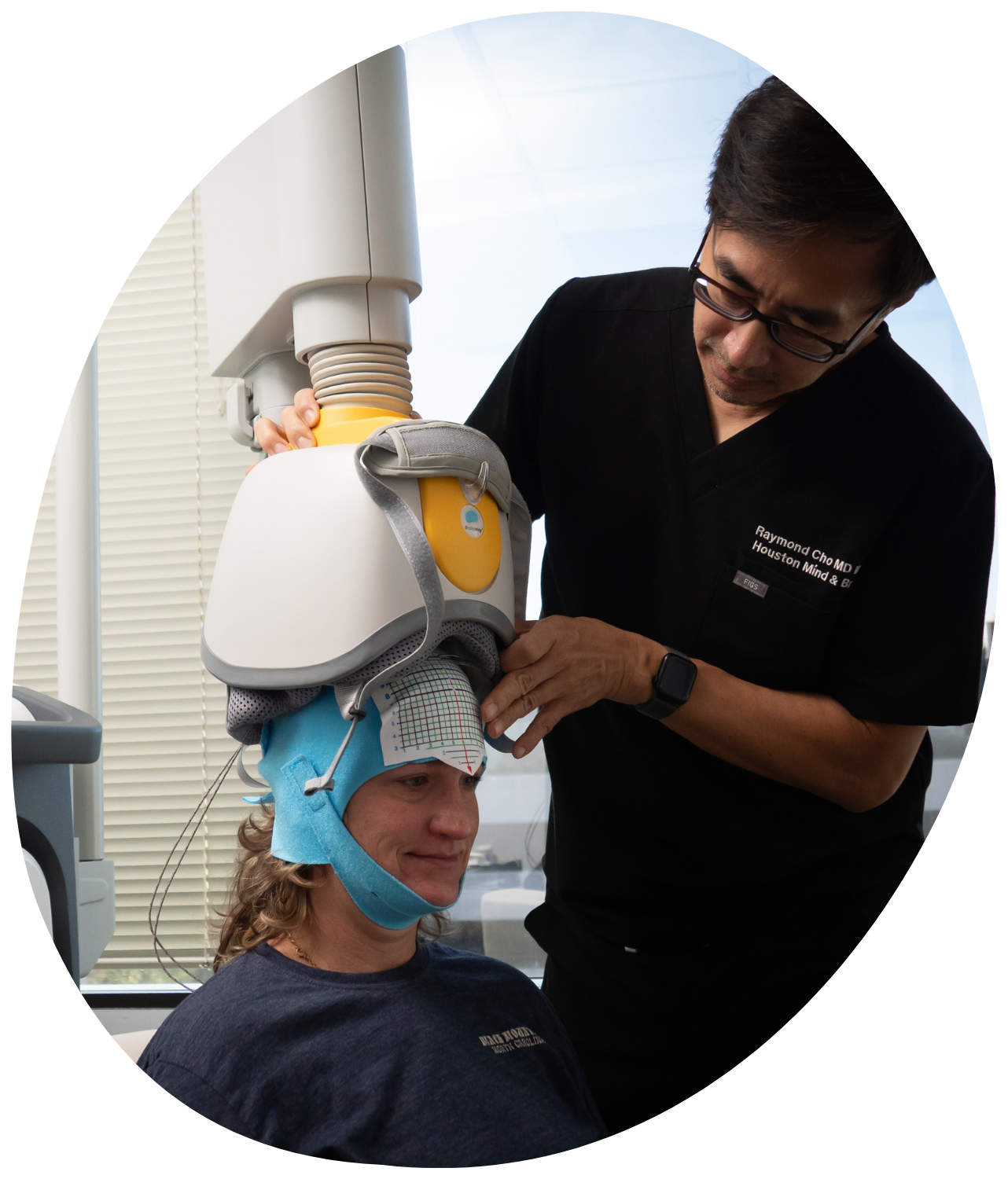
You sit in a comfortable chair while a cushioned coil rests on your head. Sessions last about 3 to 20 minutes, depending on your protocol.

A tapping sensation
Most people feel a light, rhythmic tapping on the scalp. You’ll wear earplugs for the clicking sound.
What's Different If You're Here for OCD
OCD is treated with a different Deep TMS coil that targets a different brain circuit than depression. It's FDA-cleared specifically for OCD, and not every TMS clinic offers it.
✓ FDA-cleared specifically for OCD
✓ A dedicated OCD coil aimed at the circuit involved in OCD
✓ We follow the symptom provocation protocol used in the original clinical trial
What an OCD session looks like
Symptom provocation · a few minutes
Before stimulation, our team guides you through a short exercise built around your own OCD triggers, so the circuit we're treating is active. It can feel uncomfortable for a few minutes. That's expected, and we're with you through it.
Deep TMS stimulation
The OCD coil treats that active circuit. Like any TMS session, you'll hear tapping sounds and feel a tapping sensation on your scalp.
Back to your day
No downtime. Your provider will talk with you about how TMS fits alongside any therapy or medication you're already using.
Why Houston Mind & Brain?
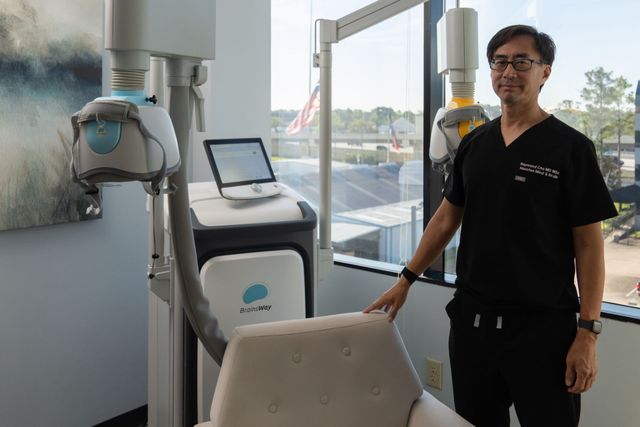
Houston Mind & Brain was founded by Dr. Raymond Cho, a psychiatrist with over 30 years of clinical and research experience in neurostimulation and brain-based treatments. Dr. Cho helped establish multiple major TMS programs in Houston and has received federal research funding for TMS.
Additionally, all Houston Mind & Brain TMS treaters are BrainsWay-certified and complete an additional in-house training program developed by Dr. Cho. Training includes education on the mechanisms of TMS, supervised observations, and hands-on practice under senior staff guidance. All treaters complete hundreds of hours of supervised training over at least three months before treating patients independently.
What Sets our TMS Program Apart:
TMS protocols developed and overseen by a physician with extensive experience in neuromodulation and clinical neuroscience
Weekly case reviews of TMS patients with Dr Cho and all healthcare providers to share expertise and ensure optimal care is provided
Treatments delivered by highly trained, BrainsWay-certified TMS technicians with extensive hands-on experience
We work with individuals who are often exhausted by trial-and-error care. Our goal is to provide clarity, not pressure.
During treatment
What Does TMS Feel Like?
You'll be seated comfortably while a magnetic coil is placed against your head. You'll hear tapping sounds and feel a gentle tapping on your scalp. Most people find it tolerable, and our team checks in with you throughout treatment.
TYPICAL SESSION DETAILS
3 - 20 minutes (depending on protocol)
Relax in a comfortable chair
Tapping sensation and clicking sounds
Read, listen to music, or just relax
For OCD: a few minutes of guided symptom provocation first
TMS Side Effects
Common, Less Common, and Rare Side Effects
TMS is generally well-tolerated, and most side effects are mild and temporary. Most side effects ease within the first week or two of treatment. Unlike many antidepressants, TMS is not associated with weight gain, sexual side effects, or drowsiness, because it acts on a targeted brain region instead of the whole body.
Common
Usually mild and temporary
- Scalp discomfort
- Headache
- Tingling or tapping sensation
Less Common
USUALLY MANAGEABLE
- Persistent headache
- Scalp tenderness
- Lightheadedness
- Muscle twitching in the face or jaw
Rare but Important
VERY RARE
- Seizure (very rare, <0.1%)
- Mania or mood elevation (in people with bipolar disorder)
- Hearing changes (usually preventable with ear protection)
- Treating OCD? The provocation step can briefly raise anxiety or distress during that part of the session. That's expected, and it passes.
Can TMS Make Anxiety Worse?
Some people do notice more anxiety during treatment, and that's not unusual. If it happens, let your treatment team know. Often it's something we can talk through together at your next session, and if needed, your provider can adjust your plan. If your anxiety feels severe or keeps building, call us right away. For OCD, the provocation step raises anxiety briefly and on purpose, and it passes.
Interested in TMS as a treatment for anxiety itself? See our page on TMS and other anxiety treatment options.
How we keep treatment safe
Before you start, we screen for implanted metal and medical devices, seizure risk, and bipolar disorder. Your dose is set to your own brain and rechecked during your course. A trained team member stays with you for every session, and you'll wear ear protection. Our treatment team completes hundreds of hours of supervised training before treating on their own, and our clinical team reviews every TMS patient's progress weekly.
TMS for Depression & OCD
TMS is FDA-cleared for treatment-resistant major depressive disorder and obsessive-compulsive disorder. Clinical studies show meaningful symptom reduction in many patients who did not respond to first-line treatments.
For some individuals, TMS is used as a stand-alone treatment. For others, it can be part of a broader plan that may include psychotherapy and/or medication management. For patients who need additional options, we also offer advanced treatments such as Spravato and intranasal ketamine therapy.
Off-Label Uses of TMS
Growing scientific and clinical evidence supports extensive use of TMS for a variety of conditions, including conditions such as anxiety and traumatic brain injuries. At Houston Mind & Brain, we embrace combining innovative technology with effective, evidence-based care to provide the best possible outcomes for our patients. Through a comprehensive consultation, we can explore whether TMS can provide symptom relief or assist in recovery for conditions for which TMS may be a reasonable therapeutic option.
Frequently Asked Questions
Is TMS the same as ECT?
No. TMS uses magnetic pulses, not electrical current. There’s no anesthesia and no memory loss, and you stay awake throughout.
When will I notice a difference?
Some patients notice improvement within 2–4 weeks, with benefits building over
the course. We measure your progress weekly.
What if I miss a session?
Call us as early as you can. Consistency matters, so your treatment team will
adjust your schedule to keep your course on track.
Will I feel the treatment?
You may feel a tapping sensation on the scalp. Most patients adjust quickly.
Can I stay on my current medications?
We recommend that you maintain your current medications. However, we will review your medications and advise on any changes that may optimize efficacy and ensure safety of the treatment.
What if I’m concerned about scheduling?
We’ll help you explore standard vs accelerated options to fit your availability.
Can I go to work after a session?
Yes. There’s no sedation or recovery time, so you can drive yourself and go
straight back to your day.
How long does insurance approval take?
It varies by plan. We submit the prior authorization and keep you updated until
you’re cleared to start. We often tell patients two weeks but sometimes it is in as little as two days that insurance gets back to us.
I have greatly benefited from the services of Houston Mind & Brain. I would encourage anyone seeking neurological or psychiatric treatment to visit them. I have particularly benefited most from their TMS treatment. It has changed my life for the better in so many ways. They have knowledgeable and friendly staff and providers who really do care about your health and because they are a smaller office you really do get that personal connection with the providers and staff. Highly recommend!
Jessie
Comprehensive Psychiatric Care
Related Services
We Accept Insurance and Make Care Affordable





We accept most major plans for FDA-cleared treatments (including standard TMS and Spravato). We verify benefits, manage prior authorization, and provide a written estimate before treatment so there are no surprises.
Do you accept Medicaid?
No - we accept Medicare but do not accept Medicaid. If you have questions about coverage, call our team and we’ll help.
Will my insurance cover TMS?
Many commercial plans cover standard TMS when medical-necessity criteria are met. Accelerated/fast-track TMS is often self-pay. We verify benefits and submit prior authorization on your behalf.
What if I’m out of network?
This is uncommon because we are credentialed with most plans. If needed, we can provide a superbill for out-of-network reimbursement.
How do I get a written estimate?
Request a free 20-minute expert call. We’ll run a benefits check, explain likely coverage, and send a written estimate of patient responsibility before any treatment.
Can I get sliding scale pricing for TMS?
Yes. We offer sliding scale pricing for eligible patients and can provide a written cost estimate before treatment. To be considered, we’ll ask for proof of income, such as tax documents.
At this time, sliding scale pricing is not available for Medicare patients or for accelerated TMS protocols.
Integrated Care That Delivers Results
Research-informed care that integrates medication management, psychotherapy, TMS, and Spravato/ketamine into a coordinated treatment plan. Treatments are thoughtfully sequenced and monitored within a structured clinical model to support safety, consistency, and meaningful outcomes.
Why Choose Houston Mind & Brain?
MD-led, research-informed brain health - advanced treatments, personalized plans, and practical insurance support.

Insurance Help & Clear Pricing
30+ Years MD Led Psychiatry
Accelerated TMS & Fast Track Paths

Clinical Research & Outcomes Tracking

Integrated Treatment Options
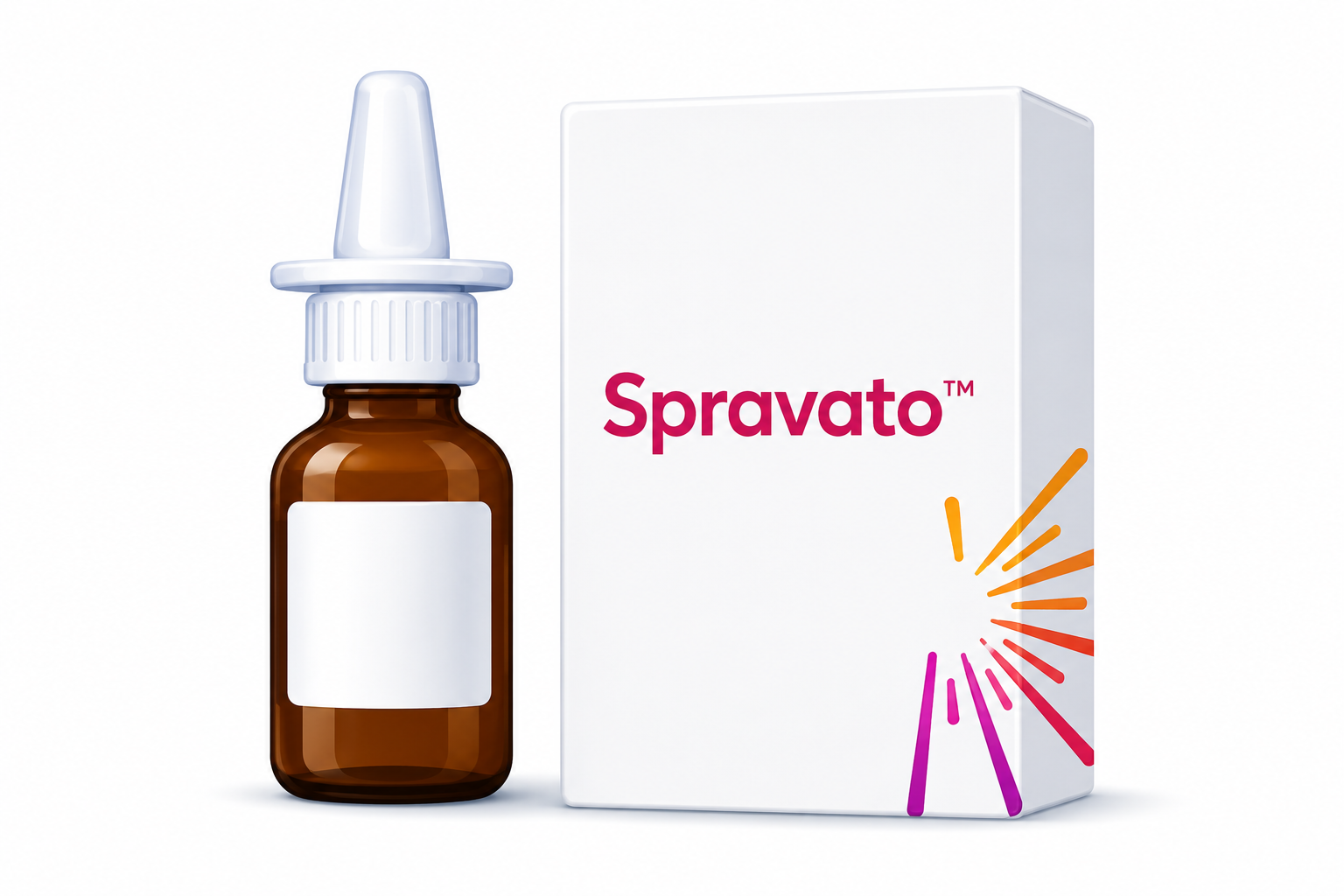
Spravato, Ketamine & KAP Programs