



PTSD Treatment
in Houston, TX
PTSD symptoms such as nightmares, staying on high alert and avoiding reminders can persist, sometimes even after treatment. If that is where you are, we can help you look at next steps.
Houston Mind & Brain is a physician-led psychiatry practice that treats adults with PTSD on an outpatient basis. Care can include medication management and therapy, depending on what your evaluation finds.
We start with a real evaluation, and we reserve a full hour for it.

We Verify Benefits & Send a Written Estimate
30+ Years of Clinical Leadership
TMS, Ketamine & Therapy, Coordinated Into One Plan
Proven Protocols, Tracked Outcomes
How We're Different
01
We evaluate before we treat
We reserve a full hour for every new patient evaluation, because good care starts with listening to the whole picture: medical, psychological and social.
02
We offer the full range
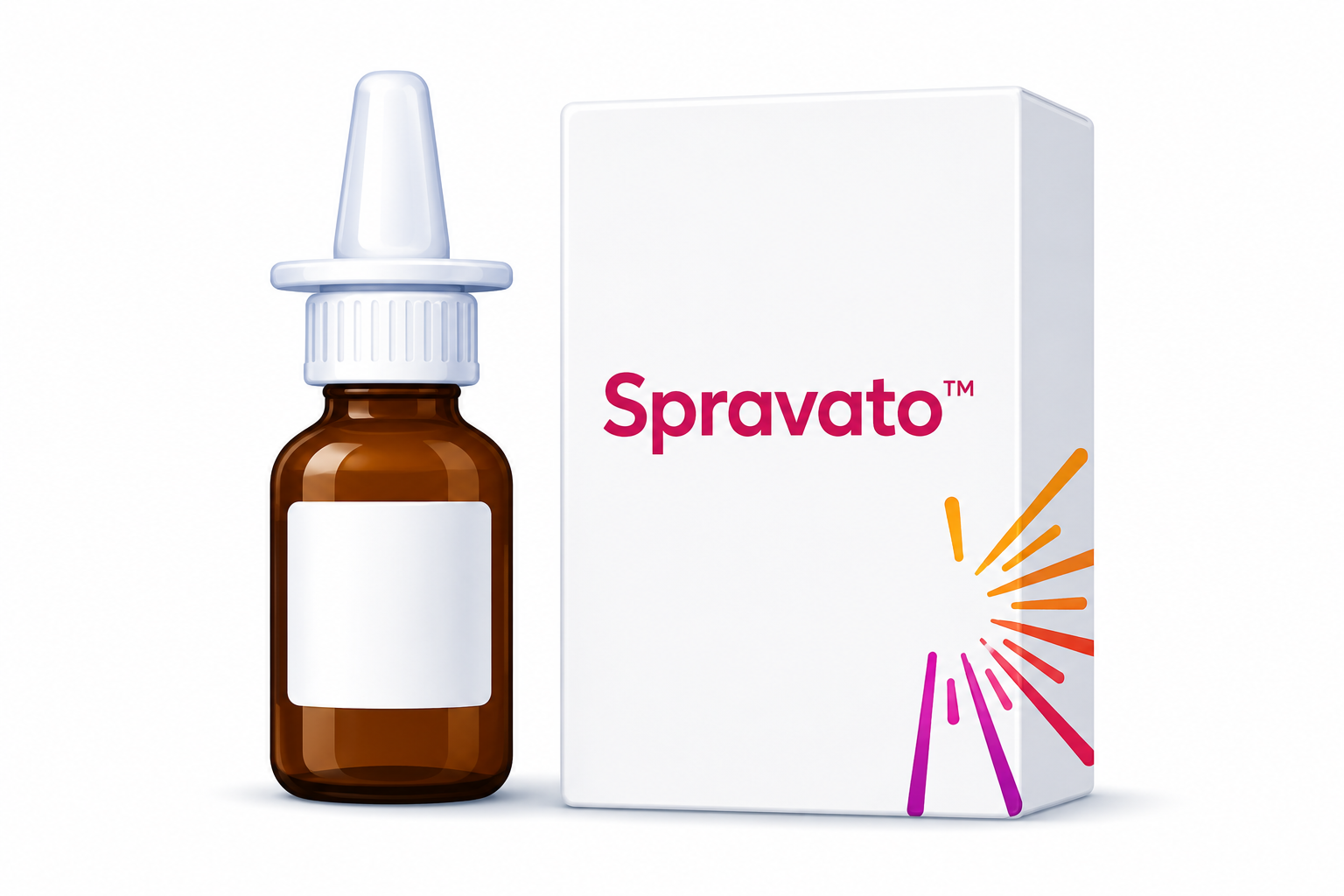
Medication, therapy, TMS, Spravato, and ketamine-assisted psychotherapy — coordinated into one plan, not limited to one provider's specialty.
03
We treat what travels with PTSD
Depression, anxiety, OCD and ADHD often accompany PTSD. We treat them here, including with TMS and Spravato when depression has not responded to medication.
Seeing a Psychiatrist for PTSD: How We Evaluate
60 minutes, reserved for you
Quality care takes time. We reserve a full hour for every new patient evaluation, so we can understand what has been going on: medically, psychologically and socially.
You decide how much to say about what happened. A diagnosis requires knowing that a trauma occurred and how it affects you now. It does not require recounting it in detail at a first visit.
PTSD is one diagnosis, but it does not look the same in everyone. For one person the central problem is nightmares and broken sleep; for another it is anger, numbness or avoiding half the city. The first visit is a PTSD evaluation, and the plan follows from what it finds.
Your psychiatric provider will work through the questions that most often explain why earlier treatment fell short:
Is it PTSD, or something that looks like it?
PTSD has four groups of symptoms: intrusive memories or nightmares, avoidance, negative changes in mood and thinking, and a nervous system that stays on high alert. Panic disorder, depression, OCD, ADHD and the effects of a concussion can each resemble part of that picture. We work out which symptoms belong to which condition, because the treatments differ.
What has already been tried?
We review each medication you have taken: the dose, how long you took it and why it was stopped. We also ask what kind of therapy you had. Supportive counseling and trauma-focused therapy are different treatments, and many people who have "done therapy" never received the second.
Is something else keeping symptoms going?
Untreated sleep apnea, chronic pain, alcohol, cannabis and some prescription medications can worsen sleep and PTSD symptoms or blunt the effect of treatment. We ask about them, and we coordinate with your primary care doctor when testing is needed.
What else is going on?
Depression, anxiety, OCD and ADHD often travel with PTSD. Depression is especially common, and it is often the part that has never been fully treated.
How will we know it's working?
We typically track symptoms with a standardized questionnaire such as the PCL-5, so decisions rest on a measured trend.
When PTSD Treatment Hasn't Worked
Unlike depression, PTSD has no agreed definition of "treatment-resistant". When earlier treatment has not helped, the reason is usually one of four things. The therapy was supportive counseling and not trauma-focused. A medication was stopped early or kept at a starting dose. A co-occurring condition such as depression went untreated. Or sleep was never addressed directly. A fresh evaluation is how we find out which applies to you.
Insurance and Cost for PTSD Treatment
Psychiatric evaluations, medication management and psychotherapy visits are billed to insurance like other specialist visits. Our in-network plans include Blue Cross Blue Shield (BCBS), Aetna, Cigna, UnitedHealthcare (UHC), Medicare and TRICARE (See full insurance list here). We verify your benefits and send a clear, written estimate of your responsibility before your first visit, so there are no surprises.
Insurance-accepted rates: For evaluations, follow-up visits and therapy, you are typically responsible only for your specialist copay or deductible.
Self-pay rates:
Please see our full Pricing Guide.
How Soon Can You Be Seen?
New patient evaluations are typically available the same week you call. We are an outpatient clinic — not a walk-in or emergency facility — but for people who need help quickly, same-week scheduling is usually possible, and we'll tell you honestly what our availability looks like when you call.
Immediate Crisis Support in Houston
If you are experiencing a mental health emergency and cannot wait for an outpatient appointment, immediate help is available. Please call or text the Suicide & Crisis Lifeline at 988, or go to your nearest emergency room. In Houston, you can also contact The Harris Center for Mental Health and IDD Crisis Line at 713-970-7000 (available 24/7) or access their Mobile Crisis Outreach Team (MCOT). For non-emergencies, call us at (832) 699-7922 and we'll find you the soonest opening with the right provider.
PTSD Treatment Options at Houston Mind & Brain
Medication Management
Individualized prescribing with regular follow-up to see what's working — and adjust, including addressing side effects, when it isn't. Learn more about Psychiatry at Houston Mind & Brain.
Psychotherapy
Evidence-based talk therapy and PTSD counseling with our full-time therapist, on its own or paired with medication. Learn more about Psychotherapy.
Ketamine-Assisted Psychotherapy
For some patients, we offer ketamine combined with therapy in the same session. Ketamine is not FDA-approved for PTSD, so this use is off-label and considered case by case after a full evaluation. Learn more about KAP.
You don't have to keep guessing
Whether you're just starting to look for help or feel like you've tried everything, there's a next step worth taking.
Frequently Asked Questions
What is the most effective treatment for PTSD?
Trauma-focused psychotherapy has the strongest evidence, and current guidelines recommend it ahead of medication. Medication helps many people too, and it is often used alongside therapy or when therapy is not yet workable. The right starting point depends on your evaluation.
Which medications are FDA-approved for PTSD?
Sertraline and paroxetine. Other medications are used on the basis of guideline recommendations and clinical trials, and your provider will explain the evidence for anything prescribed.
Do I have to talk about my trauma in detail?
Not at your first visit. We need to understand that a trauma occurred and how it affects you now. How much detail you share, and when, is up to you.
Can I see a psychiatrist for PTSD without doing therapy?
Yes. Some patients come for a PTSD evaluation and medication management only, often while seeing a trauma therapist elsewhere. We're glad to coordinate with your existing therapist.
Is ketamine used to treat PTSD?
Ketamine is not FDA-approved for PTSD, so any use is off-label, and the research is still early. It requires careful consideration with your provider, and we discuss it only on an individual basis after a full evaluation.
Does TMS treat PTSD?
TMS is FDA-cleared for major depression and OCD, not PTSD, and we do not offer it as a PTSD treatment. If you have depression alongside PTSD that has not responded to medication, TMS may be an option for the depression.
Do you treat veterans, and do you accept TRICARE?
Yes. We are a civilian practice that sees veterans and military families, and we accept TRICARE and Medicare.
Is this an outpatient program?
Yes. We provide outpatient PTSD treatment through scheduled visits. We are not a residential program, an intensive outpatient program (IOP) or a partial hospitalization program (PHP).
Do you offer telehealth for PTSD treatment?
Yes. Evaluations, medication management and therapy are available by secure video for patients located in Texas.
Can I get a second opinion here?
Yes. Many patients come to us for a fresh evaluation after feeling that their current treatment isn't working.
How soon can I be seen?
New patient evaluations are typically available the same week you call.
I have greatly benefited from the services of Houston Mind & Brain. I would encourage anyone seeking neurological or psychiatric treatment to visit them. I have particularly benefited most from their TMS treatment. It has changed my life for the better in so many ways. They have knowledgeable and friendly staff and providers who really do care about your health and because they are a smaller office you really do get that personal connection with the providers and staff. Highly recommend!
Jessie
Comprehensive Psychiatric Care
Related Services
We Accept Insurance and Make Care Affordable






We accept most major plans for FDA-cleared treatments (including standard TMS and Spravato). We verify benefits, manage prior authorization, and provide a written estimate before treatment so there are no surprises.
Do you accept Medicaid?
No - we accept Medicare but do not currently accept Medicaid. If you are a Medicaid recipient seeking affordable depression treatment in Houston, we recommend contacting The Harris Center for Mental Health and IDD, which provides comprehensive behavioral health services for Medicaid and uninsured patients. If you have questions about your specific coverage, call our team and we’ll help guide you.
Will my insurance cover TMS?
Many commercial plans cover standard TMS when medical-necessity criteria are met. Accelerated/fast-track TMS is often self-pay. We verify benefits and submit prior authorization on your behalf.
What if I’m out of network?
This is uncommon because we are credentialed with most plans. If needed, we can provide a superbill for out-of-network reimbursement.
How do I get a written estimate?
Request a free 20-minute expert call. We’ll run a benefits check, explain likely coverage, and send a written estimate of patient responsibility before any treatment.
Can I get sliding scale pricing for TMS?
Yes. We offer sliding scale pricing for eligible patients and can provide a written cost estimate before treatment. To be considered, we’ll ask for proof of income, such as tax documents.
At this time, sliding scale pricing is not available for Medicare patients or for accelerated TMS protocols.

Integrated Care That Delivers Results
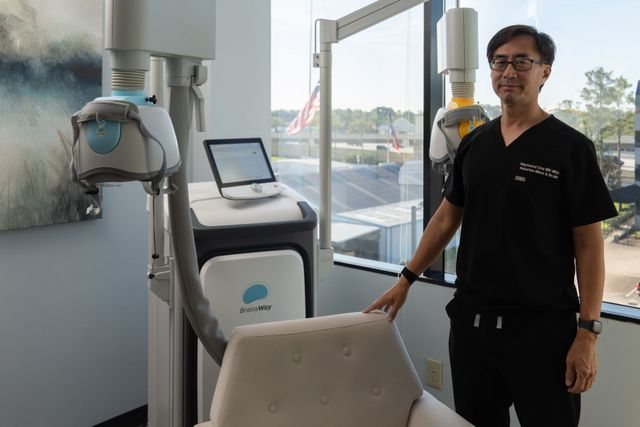
Research-informed care that integrates medication management, psychotherapy, TMS, and Spravato/ketamine into a coordinated treatment plan. Treatments are thoughtfully sequenced and monitored within a structured clinical model to support safety, consistency, and meaningful outcomes.
Why Choose Houston Mind & Brain?
MD-led, research-informed brain health - advanced treatments, personalized plans, and practical insurance support.

Insurance Help & Clear Pricing

30+ Years MD Led Psychiatry

Accelerated TMS & Fast Track Paths

Clinical Research & Outcomes Tracking

Integrated Treatment Options
Spravato, Ketamine & KAP Programs