



Compare Treatments

Which Treatment is Right for Me?
Houston Mind & Brain offers several evidence-based treatment options for depression, OCD, and other complex or treatment-resistant conditions.
Each therapy works differently, with distinct logistics, timelines, and considerations. Below is a clear comparison to help you understand the differences and begin a conversation with our team. Care at HMB is coordinated across psychiatry, psychotherapy, and interventional services.
| Treatment | How it works | Typical setting | How fast can it work | Duration of the course | Insurance | Best when... |
|---|---|---|---|---|---|---|
| TMS (standard) | Magnetic pulses stimulate mood circuits (non-drug). | Outpatient clinic, daily sessions (weekdays). | Weeks (many see change in 2–4 weeks). | ~4–6 weeks (typical). | Often covered when criteria are met; HMB handles benefits/prior auth. | You want non-drug treatment or have tried meds without benefit. |
| Accelerated TMS | Same mechanism; more sessions/day to compress the course. | Condensed in-clinic blocks (days). | Faster (days). | Intensive short window (e.g., 6 days). | Often self-pay; reviewed at consult. | Need fast response or cannot attend multi-week schedule. |
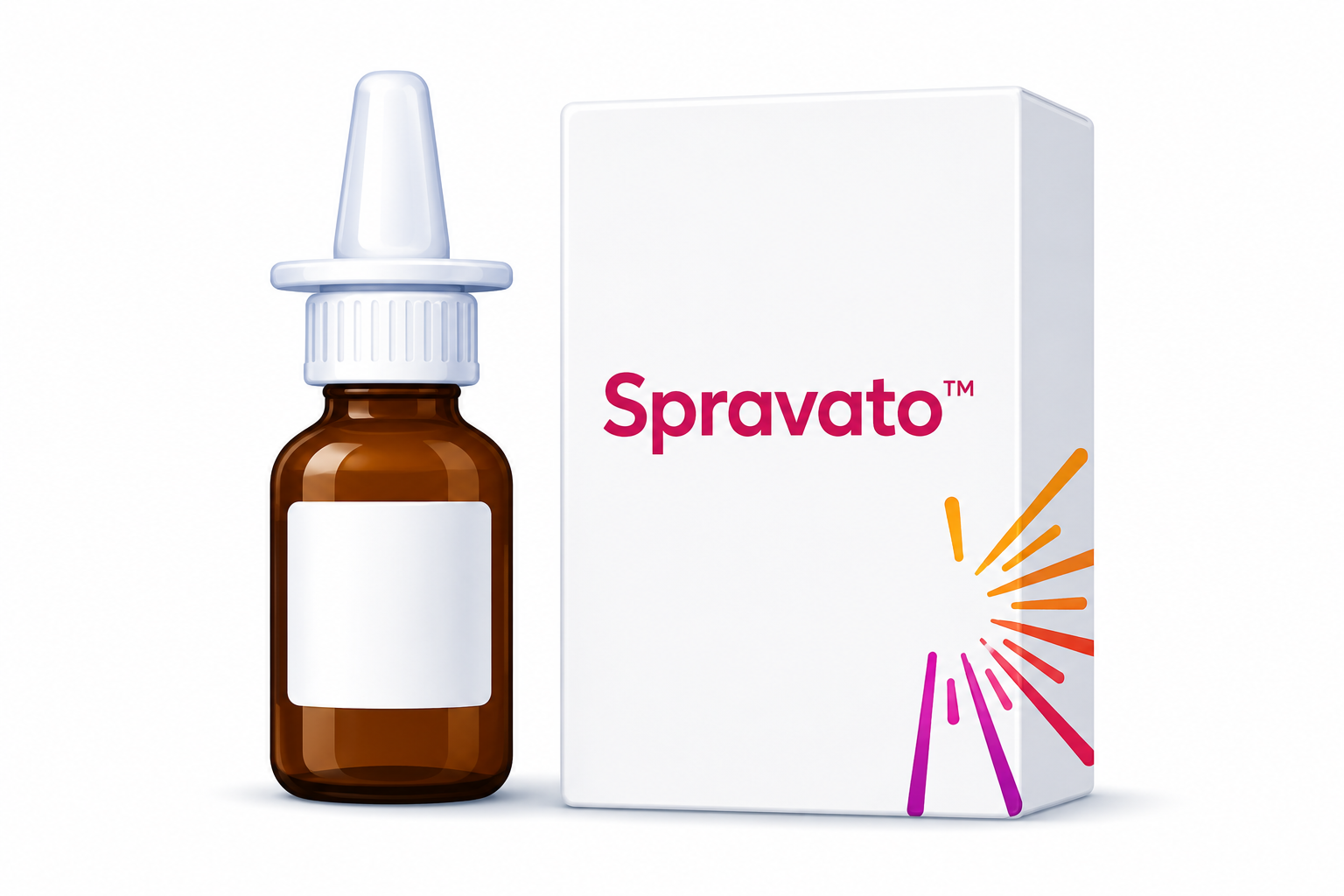
| Spravato | FDA-approved intranasal esketamine — modulates glutamate and promotes neuroplasticity. REMS program. | In-clinic nasal dosing + ~2-hour observation. | Often hours–days for early effects. | Induction (weeks) → optimization → maintenance. | Frequently covered if criteria met; REMS adds documentation. HMB helps with auth. | TRD where rapid relief is desirable and REMS logistics acceptable. |
| Ketamine | NMDA antagonism → glutamate/AMPA effects → neuroplasticity. Off-label intranasal racemic ketamine; other routes used in practice. | In-clinic dosing & observation (route-dependent). | Often hours–days. | Varies by protocol (induction + maintenance). | Billing varies — racemic ketamine often self-pay or billed differently; HMB provides estimates. | Need rapid relief and/or off-label flexibility; good KAP candidate. |
| KAP | Combines a ketamine dose with structured psychotherapy to use the neuroplastic window for change. | Prep/integration via telehealth or in-person; dosing in-clinic. | Symptom relief can be rapid; therapy consolidates gains. | Programmatic — several dose + integration sessions. | Billing varies; psychotherapy and drug/observation billed per clinic rates. HMB provides estimates. | Want medication + therapy intentionally paired to deepen and sustain change. |
| Psychotherapy | Emotion-focused, goal-directed therapy (ISTDP) or other evidence-based therapies. | In-person or secure telehealth. | Weekly or as recommended. | Weeks–months depending on course. | Frequently covered by insurance; HMB verifies benefits and offers cash options. | Want to address psychological drivers, learn skills or integrate gains from procedural treatments. |
| Medication management | Evidence-based prescribing & monitoring; can augment or combine with above. | Office or telehealth visits (MD/NP/PA). | Weeks (depends on medication). Some augmentation strategies speed benefit. | Ongoing as needed. | Covered by insurance; HMB provides benefit checks and written estimates. | Foundational care; often combined with TMS, Spravato, or ketamine. |

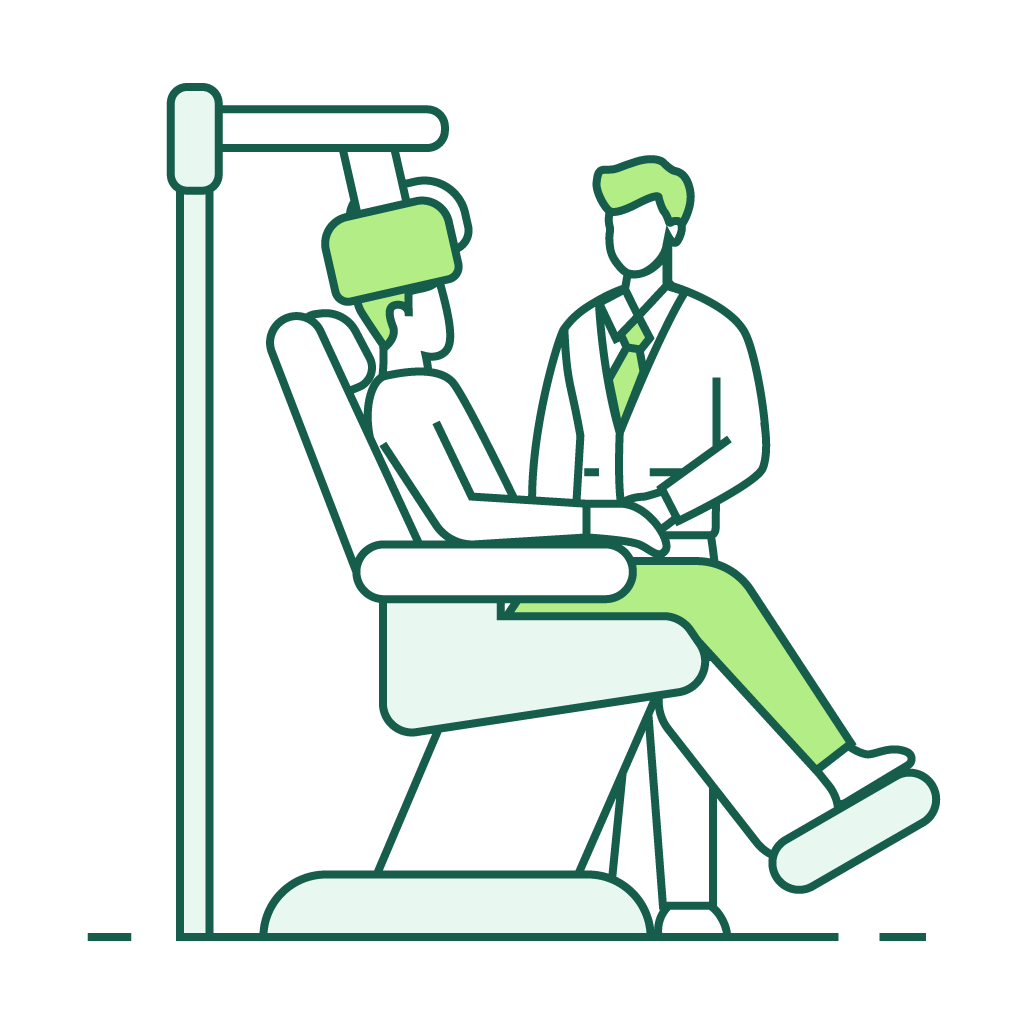
Standard TMS
Mechanism: Repetitive magnetic pulses modulate activity in brain regions involved in mood regulation (for depression, commonly the left dorsolateral prefrontal cortex). Non-drug, focal neuromodulation.
Who it’s for: Individuals with depression (including treatment-resistant) and select patients with OCD. Appropriate for those seeking a non-systemic treatment or who have had limited benefit or tolerability with medications.
Pros/cons: FDA-cleared, well-established, and generally well-tolerated; requires daily clinic visits over several weeks. Insurance coverage is common when clinical criteria are met.
Accelerated TMS
Mechanism: Uses the same underlying mechanism as standard TMS, delivered in a compressed schedule (multiple shorter sessions per day).
Who it’s for: Individuals seeking a shorter, more intensive treatment schedule as an alternative to multi-week protocols. Often self-pay. Requires careful clinical selection and close monitoring.
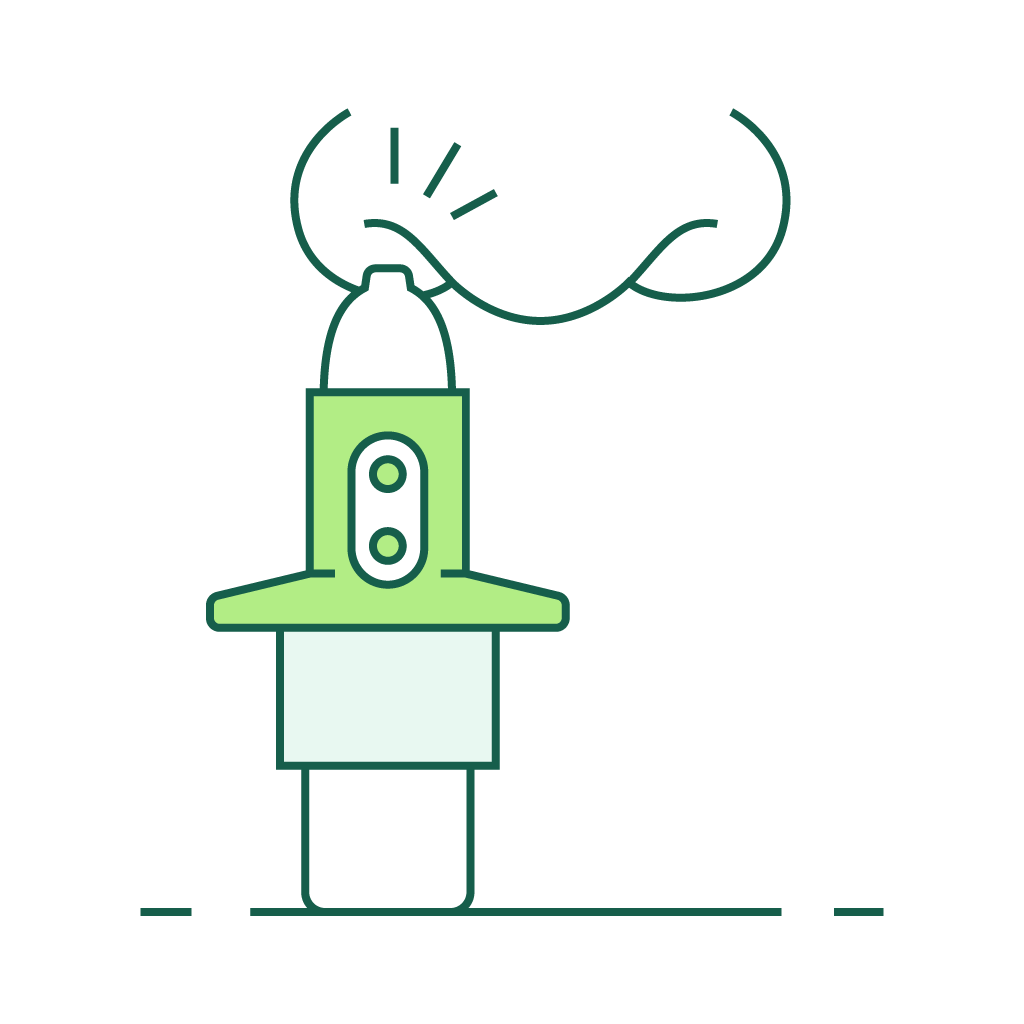
Spravato
Mechanism: Intranasal esketamine modulates the glutamate system to enhance neuroplasticity. Used for treatment-resistant depression and related indications. Administered within a REMS-certified clinical setting.
Who it's for: Individuals with treatment-resistant depression and related conditions, particularly when standard treatments have not been sufficient. Requires in-clinic administration under supervision with post-dose observation and structured monitoring.
Ketamine
Mechanism: NMDA receptor antagonism with downstream glutamate effects, supporting increased neuroplasticity. Rapid antidepressant effects are often observed.
Who it's for: Individuals with depression and related conditions, particularly when standard treatments have not been sufficient. Intranasal racemic ketamine is used off-label within a structured clinical program, with in-clinic dosing and monitoring. Billing and coverage vary.

KAP
Who it's for: Individuals seeking a more integrated approach that combines rapid-acting treatment with psychotherapy. Requires coordination between prescriber and therapist and a structured treatment plan.
What it is: Ketamine-assisted psychotherapy (KAP) pairs a medical dose of ketamine with structured psychotherapy (preparation and integration) to support emotional processing during a period of increased neuroplasticity.

Psychotherapy
What it is:
A structured, emotion-focused form of therapy that works to identify and address the underlying psychological drivers of symptoms.
Who it’s for:
Individuals seeking to better understand and work through emotional patterns, and to consolidate gains from medical or procedural treatments. At HMB, psychotherapy is integrated with other treatments to support more durable improvement.
Medication Management
What it is:
Evaluation, selection, and ongoing monitoring of psychiatric medications as part of a structured treatment plan. May be used alone or in combination with psychotherapy and interventional treatments (TMS, Spravato, ketamine).
Who it’s for:
Individuals seeking medication-based treatment, those with co-occurring conditions, or patients using medication to support and maintain gains from other therapies. Care is coordinated with other services within an integrated treatment plan.
Safety, Logistics & Insurance
- MD oversight & coordination: Care is planned and coordinated through structured clinical review and team-based case discussion to ensure safe treatment combinations (e.g., medication adjustments that may affect seizure threshold during TMS).
- Monitoring: Spravato and ketamine require in-clinic observation due to dissociation and blood pressure effects. TMS requires motor-threshold mapping and routine safety screening. Psychotherapy and medication management require standard clinical monitoring.
- Insurance & cost: Standard TMS and Spravato are commonly covered when medical necessity criteria are met; accelerated TMS and racemic ketamine are often self-pay. HMB verifies benefits, manages prior authorization, and provides written cost estimates. Transparent cash rates are available.
How We Help You Choose
Quick review of history and benefits/coverage options.
Free 20-minute specialist call
A comprehensive psychiatric evaluation focused on your symptoms, history, prior treatments, goals, and overall clinical picture. Your provider will assess whether medication management, psychotherapy, TMS, Spravato, ketamine, KAP, or another approach is most appropriate, and will review safety considerations before recommending next steps.
Consultation
After the consultation, your treatment plan is sequenced based on your symptoms, goals, safety considerations, and practical needs. This may include starting with medication or therapy, adding TMS or Spravato when appropriate, or integrating ketamine-assisted psychotherapy when therapy is intentionally part of the treatment. Plans are coordinated across the clinical team and adjusted over time based on response.
Personalized sequencing
Common Patient Scenarios
- Failed multiple antidepressants, wants non-drug option: Consider TMS (standard) or accelerated TMS if schedule is a barrier.
- Rapidly worsening depression / suicidal thinking needing fast relief: Consider Spravato or ketamine (with urgent medical oversight), combined with safety planning and follow-up.
- Want medication + deep psychotherapy to change patterns: KAP (ketamine + integration) or medication augmentation + psychotherapy.
- Primarily cognitive complaints with mood impact: Add cognitive testing to guide whether TMS/medication/therapy is most likely to help.
We Accept Insurance and Make Care Affordable



We accept most major plans for FDA-cleared treatments (including standard TMS and Spravato). We verify benefits, manage prior authorization, and provide a written estimate before treatment so there are no surprises.
Do you accept Medicaid?
No - we accept Medicare but do not accept Medicaid. If you have questions about coverage, call our team and we’ll help.
Will my insurance cover TMS?
Many commercial plans cover standard TMS when medical-necessity criteria are met. Accelerated/fast-track TMS is often self-pay. We verify benefits and submit prior authorization on your behalf.
What if I’m out of network?
This is uncommon because we are credentialed with most plans. If needed, we can provide a superbill for out-of-network reimbursement.
How do I get a written estimate?
Request a free 20-minute expert call. We’ll run a benefits check, explain likely coverage, and send a written estimate of patient responsibility before any treatment.
Can I get sliding scale pricing for TMS?
Yes. We offer sliding scale pricing for eligible patients and can provide a written cost estimate before treatment. To be considered, we’ll ask for proof of income, such as tax documents.
At this time, sliding scale pricing is not available for Medicare patients or for accelerated TMS protocols.
Integrated Care That Delivers Results
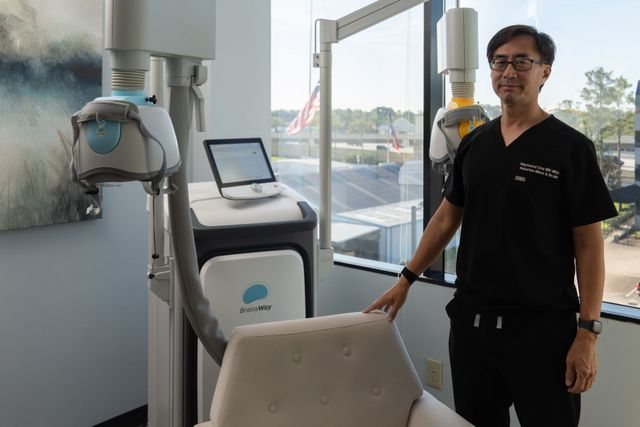
Research-informed care that integrates medication management, psychotherapy, TMS, and Spravato/ketamine into a coordinated treatment plan. Treatments are thoughtfully sequenced and monitored within a structured clinical model to support safety, consistency, and meaningful outcomes.
Why Choose Houston Mind & Brain?
MD-led, research-informed brain health - advanced treatments, personalized plans, and practical insurance support.

Insurance Help & Clear Pricing

30+ Years MD Led Psychiatry

Accelerated TMS & Fast Track Paths

Clinical Research & Outcomes Tracking

Integrated Treatment Options
Spravato, Ketamine & KAP Programs
Hear From Our Patients
100+ Five Star Reviews. Real Stories. Real Recovery.
Free 20 Minutes
Speak to a Specialist
Call us at (832) 699-7922 or complete the form below.
Contact Us
We will get back to you as soon as possible.
Please try again later.
What Happens After I Request My 20-min Call?
We’ll reply within one business day.
A clinician or senior team member will call to discuss next steps (your free 20-minute call).
We’ll verify insurance, send a written cost estimate, and help schedule an evaluation.