




We Verify Benefits & Send a Written Estimate
30+ Years of Clinical Leadership
TMS, Ketamine & Therapy, Coordinated Into One Plan
Proven Protocols, Tracked Outcomes
At a Glance
- Adults only — we do not treat ADHD in children or adolescents at this time
- Diagnosis is based on a full evaluation, and sometimes takes more than one visit
- Evaluation includes collateral information and objective testing
- Medication management is careful and conservative, with non-stimulant options considered
How We Diagnose ADHD
Some patients arrive with prior records and a clear history, and the picture is clear at the first visit. Others need more information before we can be confident. We know this can be frustrating, especially if you've already done research, taken online quizzes, or feel confident about what's going on. We're not doubting that — we're being thorough, because ADHD symptoms can overlap significantly with anxiety, depression, sleep problems, and other conditions that need to be considered before landing on a diagnosis.
Our process typically includes:
- A full psychiatric evaluation — your history, current symptoms, and what's actually affecting your daily life
- Collateral information — input from a spouse or parent when available, prior school records, and records from previous providers, since ADHD has typically been present since childhood and outside perspective helps confirm the pattern
- Follow-up cognitive testing — objective testing that helps clarify attention, impulsivity, and executive functioning as part of the overall picture
This can take more than one visit, and patients often tell us afterward they’re glad it did. When the real cause turned out to be anxiety or a sleep problem, they felt we got to the bottom of it. The wrong treatment doesn’t just fail to help; a stimulant can worsen anxiety and sleep.
One important note: the testing we do is meant to support an accurate diagnosis, not to produce the extensive documentation required for academic or workplace accommodation requests (like extended time on exams). If that's specifically what you need,
our Cognitive Testing page explains the distinction, and we're happy to refer you to a specialist who provides that type of comprehensive evaluation.
How We Approach Medication
We evaluate before we treat
Stimulant medications can be genuinely helpful for ADHD, and when they're the right fit, we prescribe them. But they're Schedule II controlled substances, and we treat that seriously — both because of what that classification means clinically, and because of the increased scrutiny stimulant prescribing has received nationally in recent years, including tightened DEA requirements around in-person evaluation.
That means:
- Whether medication starts at the first visit depends on your history, prior records, and what the evaluation shows
- We take your full clinical picture into account — including whether a non-stimulant medication might be a better fit for you — rather than defaulting to a stimulant automatically
- Medication decisions are made carefully, with regular follow-up to monitor how you're responding
If you’ve felt rushed through a prescription elsewhere, you’ll find we take more time. That hour is how we make sure the treatment fits. See our psychiatric providers.
Treatment options
Full Evaluation
A comprehensive psychiatric assessment that looks at your full history and current symptoms, not just a checklist. Learn More about Psychiatry at Houston Mind & Brain.
Cognitive Testing
Objective testing that supports diagnosis and treatment planning. See how our testing process works →
Psychotherapy
Talk therapy can help with the organizational, emotional, and relational challenges that often come alongside ADHD, whether or not medication is part of your plan. Learn more about Psychotherapy.
A Careful Approach, Not a Slow One
Being thorough doesn't mean being difficult to work with — it means you can trust that whatever plan we land on is actually right for you.
A misdiagnosis isn't just an inconvenience. If what's really going on is anxiety, depression, a sleep problem, or something else entirely, treating it as ADHD means the real issue goes unaddressed — while you're taking a stimulant medication that isn't the right tool for the job, with real side effects and no real benefit for what's actually happening. Getting it right the first time isn't extra steps for their own sake; it's making sure you don't spend months on the wrong treatment before finding your way to the right one.
Frequently Asked Questions
Why is the DEA so cautious about stimulant medications?
Stimulant medications used to treat ADHD are Schedule II controlled substances — the DEA's strictest category for drugs with accepted medical uses that also carry a real potential for misuse and dependence. That caution isn't just regulatory formality: a 2025 study in JAMA Psychiatry, using national data on more than 83,000 U.S. adults, found that 25.3% of adults using prescription stimulants reported some form of misuse, and 9% met clinical criteria for a prescription stimulant use disorder.¹ That's part of why we take prescribing these medications seriously — not to make the process harder than it needs to be, but because the data shows real reason for care.
¹ Han B, et al. "Prescription Stimulant Use, Misuse, and Use Disorder Among US Adults Aged 18 to 64 Years." JAMA Psychiatry, March 19, 2025. pubmed.ncbi.nlm.nih.gov/40105821
Will I be diagnosed at my first visit?
Sometimes. It depends on how clear your history is and whether we need testing or outside records. ADHD symptoms overlap with several other conditions, so we confirm before we treat.
Do you do the same testing needed for school or work accommodations?
No — our testing is designed to support diagnosis and treatment planning, not to produce the extensive documentation required for formal accommodation requests. If that's what you need, we can refer you to a specialist who offers that specific type of evaluation.
Will I definitely be prescribed a stimulant?
Not necessarily. We consider your full clinical picture, including non-stimulant options, before deciding on a treatment plan together. Stimulants can be the right choice for many patients, but we don't prescribe them automatically.
I was already diagnosed with ADHD elsewhere. Can you just continue my prescription?
We'll still want to complete our own evaluation before continuing or changing any stimulant medication — this is standard practice for controlled substances, not a reflection on your previous diagnosis.
Bringing prior records and testing often shortens this.
Do you treat ADHD in children or teenagers?
No, at this time our ADHD services are for adults only. We're happy to provide a referral to a specialist who works with children and adolescents.
I have greatly benefited from the services of Houston Mind & Brain. I would encourage anyone seeking neurological or psychiatric treatment to visit them. I have particularly benefited most from their TMS treatment. It has changed my life for the better in so many ways. They have knowledgeable and friendly staff and providers who really do care about your health and because they are a smaller office you really do get that personal connection with the providers and staff. Highly recommend!
Jessie
Comprehensive Psychiatric Care
Related Services
We Accept Insurance and Make Care Affordable






We accept most major plans for FDA-cleared treatments (including standard TMS and Spravato). We verify benefits, manage prior authorization, and provide a written estimate before treatment so there are no surprises.
Do you accept Medicaid?
No - we accept Medicare but do not accept Medicaid. If you have questions about coverage, call our team and we’ll help.
Will my insurance cover TMS?
Many commercial plans cover standard TMS when medical-necessity criteria are met. Accelerated/fast-track TMS is often self-pay. We verify benefits and submit prior authorization on your behalf.
What if I’m out of network?
This is uncommon because we are credentialed with most plans. If needed, we can provide a superbill for out-of-network reimbursement.
How do I get a written estimate?
Request a free 20-minute expert call. We’ll run a benefits check, explain likely coverage, and send a written estimate of patient responsibility before any treatment.
Can I get sliding scale pricing for TMS?
Yes. We offer sliding scale pricing for eligible patients and can provide a written cost estimate before treatment. To be considered, we’ll ask for proof of income, such as tax documents.
At this time, sliding scale pricing is not available for Medicare patients or for accelerated TMS protocols.

Integrated Care That Delivers Results
Research-informed care that integrates medication management, psychotherapy, TMS, and Spravato/ketamine into a coordinated treatment plan. Treatments are thoughtfully sequenced and monitored within a structured clinical model to support safety, consistency, and meaningful outcomes.

Why Choose Houston Mind & Brain?
MD-led, research-informed brain health - advanced treatments, personalized plans, and practical insurance support.

Insurance Help & Clear Pricing

30+ Years MD Led Psychiatry

Accelerated TMS & Fast Track Paths

Clinical Research & Outcomes Tracking

Integrated Treatment Options
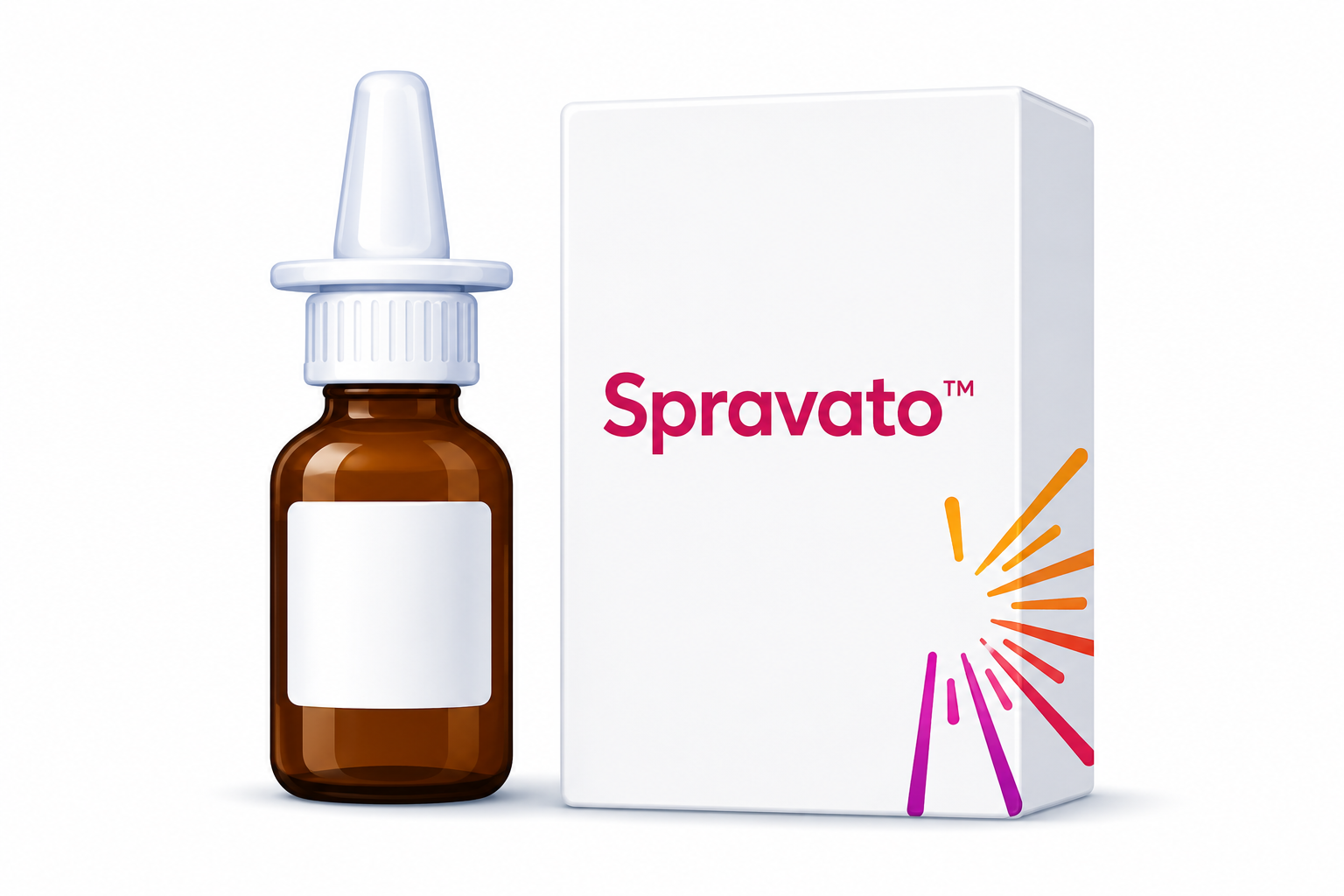
Spravato, Ketamine & KAP Programs