




We Verify Benefits & Send a Written Estimate
30+ Years of Clinical Leadership
TMS, Ketamine & Therapy, Coordinated Into One Plan
Proven Protocols, Tracked Outcomes
At a Glance
- Adults only: we treat bipolar disorder in patients 18 and older
- Your evaluation looks at your full mood history, not just how you feel today
- Medication management with regular follow-up, including lab monitoring when your medication requires it
- In person in Houston or by telehealth anywhere in Texas
How We Diagnose Bipolar Disorder
Bipolar disorder is one of the most commonly missed diagnoses in psychiatry. Most people seek help during a depressive episode, not during a high, so it's easy to treat it as depression alone. It often takes years from the first symptoms to an accurate diagnosis.
That matters because treatment is different. Antidepressants on their own may not help bipolar depression and, for some people, can trigger mania or rapid mood changes.
At your evaluation, your provider reviews your full mood history: past periods of unusually elevated or irritable mood, less need for sleep, racing thoughts or impulsive decisions, how you responded to earlier medications, and your family history. With your permission, input from someone who knows you well can help, since a mild high is often easier for others to notice. We also consider medical contributors such as thyroid problems, sleep disorders and substance use.
Bipolar I, bipolar II and cyclothymic disorder each look different, and getting the diagnosis right shapes everything that follows.
How We Approach Medication
Mood stability comes first
For most people, medication is the foundation of bipolar treatment. Depending on your symptoms and history, that may include mood stabilizers such as lithium or lamotrigine, or certain atypical antipsychotics that are FDA-approved for bipolar disorder. If you're in a depressive episode, we'll choose options studied specifically for bipolar depression rather than defaulting to an antidepressant alone.
Some of these medications need regular blood work to keep levels safe and effective. We'll explain what monitoring your plan requires, watch for side effects, and adjust based on how you actually respond. The goal is long-term stability, not just getting through the current episode. See our Houston psychiatric providers.
Treatment options
Full Evaluation
A full-hour psychiatric assessment of your mood history, prior treatments and family history, not just a symptom checklist. Psychiatric evaluations in Houston.
Medication Management
Ongoing visits with the same provider to fine-tune your medication, monitor side effects and labs, and adjust when your mood shifts.
Psychotherapy
Therapy alongside medication can help with stress, sleep routines and recognizing early warning signs of a mood episode. Learn more about Psychotherapy.
When to Seek Urgent Help
We're an outpatient practice. If you or someone you love is in immediate danger or experiencing severe mania, psychosis, or thoughts of suicide, call 911, call or text 988, or go to the nearest emergency room.
In Houston, you can also reach The Harris Center for Mental Health and IDD 24/7 Crisis Line at 713-970-7000. For non-emergencies, call us at (832) 699-7922.
Frequently Asked Questions
Can bipolar disorder be mistaken for depression?
Yes, and it happens often. Many people with bipolar disorder first seek help during a depressive episode, and periods of elevated mood (especially the milder hypomania of bipolar II) can feel like simply having a good stretch, so they never come up. That's why our evaluation covers your full mood history, not just how you feel today. If you've been treated for depression and antidepressants haven't helped, or have left you feeling agitated or wired, be sure to mention it at your visit.
What's the difference between bipolar I and bipolar II?
Bipolar I involves at least one manic episode: a distinct period of elevated or irritable mood and high energy that's severe enough to disrupt work or relationships, or to require hospitalization. Bipolar II involves hypomania, a milder form of mania, along with at least one major depressive episode. Bipolar II isn't simply a milder illness, though; its depressive episodes can be long and disabling. Both types are treatable.
What does a bipolar disorder specialist do?
A psychiatric provider who treats bipolar disorder confirms the diagnosis, rules out other causes of mood symptoms, and builds a medication plan focused on long-term stability. Because bipolar medications often need dose adjustments and lab monitoring, ongoing follow-up with the same provider matters. At Houston Mind & Brain, your care is with a psychiatrist or psychiatric nurse practitioner, and therapy is available alongside medication.
Will I need blood tests?
It depends on your medication. Lithium and valproate (Depakote) require regular blood levels, along with periodic checks of kidney, thyroid or liver function. Some atypical antipsychotics call for monitoring of blood sugar and cholesterol. Your provider will explain what your plan requires and how often.
Do you treat bipolar disorder by telehealth?
Yes. Evaluations and medication management are available by telehealth for adults located in Texas at the time of the visit, as well as in person at our Houston office. If your medication requires blood work, it can usually be done at a lab near you.
Do you treat bipolar disorder in children or teenagers?
No, at this time our bipolar disorder services are for adults 18 and older. We're happy to provide a referral to a specialist who works with children and adolescents.
I have greatly benefited from the services of Houston Mind & Brain. I would encourage anyone seeking neurological or psychiatric treatment to visit them. I have particularly benefited most from their TMS treatment. It has changed my life for the better in so many ways. They have knowledgeable and friendly staff and providers who really do care about your health and because they are a smaller office you really do get that personal connection with the providers and staff. Highly recommend!
Jessie
Comprehensive Psychiatric Care
Related Services
We Accept Insurance and Make Care Affordable






We accept most major plans for FDA-cleared treatments (including standard TMS and Spravato). We verify benefits, manage prior authorization, and provide a written estimate before treatment so there are no surprises.
Do you accept Medicaid?
No - we accept Medicare but do not accept Medicaid. If you have questions about coverage, call our team and we’ll help.
Will my insurance cover TMS?
Many commercial plans cover standard TMS when medical-necessity criteria are met. Accelerated/fast-track TMS is often self-pay. We verify benefits and submit prior authorization on your behalf.
What if I’m out of network?
This is uncommon because we are credentialed with most plans. If needed, we can provide a superbill for out-of-network reimbursement.
How do I get a written estimate?
Request a free 20-minute expert call. We’ll run a benefits check, explain likely coverage, and send a written estimate of patient responsibility before any treatment.
Can I get sliding scale pricing for TMS?
Yes. We offer sliding scale pricing for eligible patients and can provide a written cost estimate before treatment. To be considered, we’ll ask for proof of income, such as tax documents.
At this time, sliding scale pricing is not available for Medicare patients or for accelerated TMS protocols.

Integrated Care That Delivers Results
Research-informed care that integrates medication management, psychotherapy, TMS, and Spravato/ketamine into a coordinated treatment plan. Treatments are thoughtfully sequenced and monitored within a structured clinical model to support safety, consistency, and meaningful outcomes.
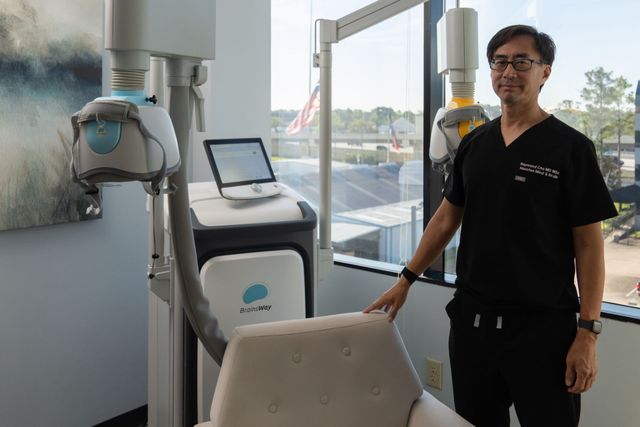
Why Choose Houston Mind & Brain?
MD-led, research-informed brain health - advanced treatments, personalized plans, and practical insurance support.

Insurance Help & Clear Pricing

30+ Years MD Led Psychiatry

Accelerated TMS & Fast Track Paths

Clinical Research & Outcomes Tracking

Integrated Treatment Options
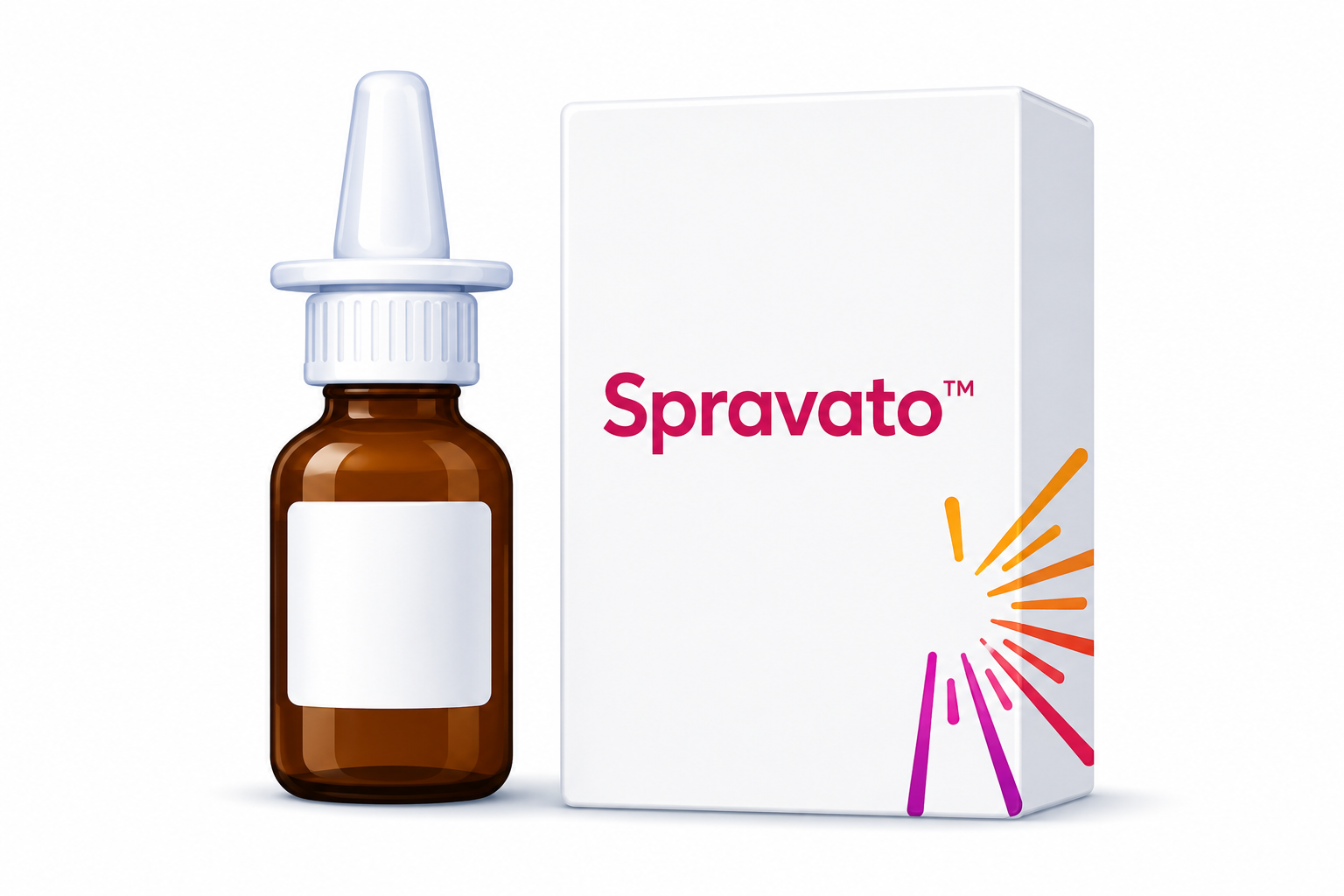
Spravato, Ketamine & KAP Programs